You stand in a jewelry store, you stare at two sparkling rings, and you cannot tell them apart. One ring costs $2,000, the other costs $8,000, and the salesperson smiles like this situation makes total sense. I have watched this exact moment confuse smart buyers, and I have felt that confusion myself. This guide cuts through the marketing noise and helps you choose with confidence.
Short Answer: Choose lab grown if you want the biggest, brightest diamond for your budget. Choose natural if you value rarity and a billion-year origin story.
Key Takeaways
- Lab grown and natural diamonds are both real diamonds. Both use pure crystallized carbon and score 10 on the Mohs hardness scale.
- Lab grown costs 70% to 85% less. A 1-carat lab grown diamond costs $800 to $2,000, while a 1-carat natural diamond costs $5,000 to $10,000.
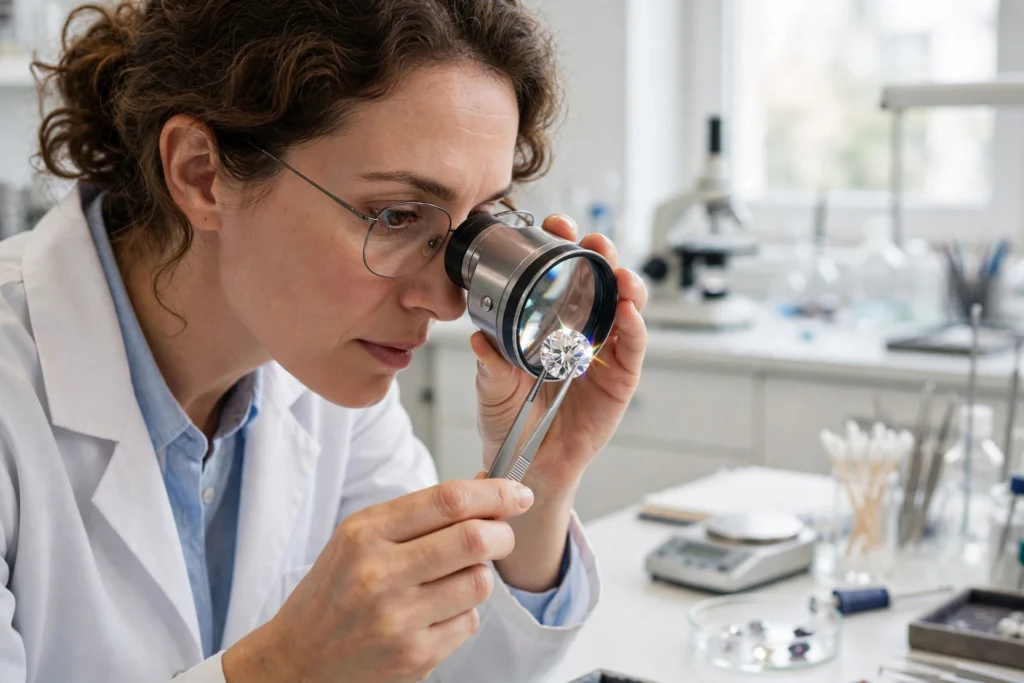
- You cannot tell them apart by eye. Even jewelers need lab equipment to tell them apart.
- Natural holds resale value better. Neither diamond works as an investment.
- Best choice: Choose lab grown for size and value, choose natural for rarity and tradition.
Lab grown and natural diamonds share the same chemistry and sparkle, but lab grown costs 70% to 85% less. Natural holds resale value better. Most buyers get more value from lab grown.
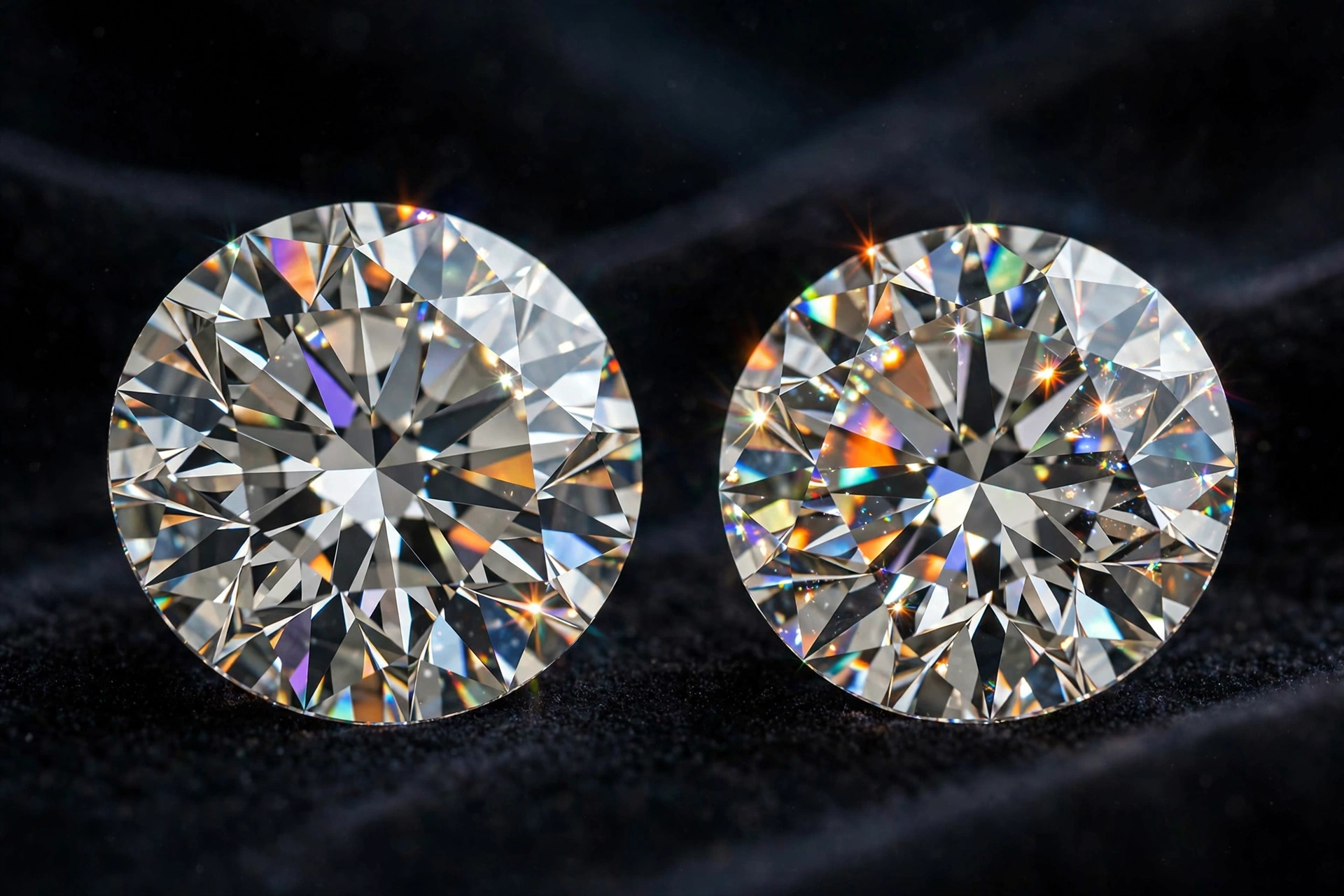
What Exactly Are We Comparing?
A natural diamond starts its life deep inside the earth, and extreme heat and pressure shape it over billions of years. Miners dig it out, cutters cut it, and graders grade it before it ever reaches a ring. You pay for that long journey, and you also pay for rarity, tradition, and a powerful marketing story. A lab grown diamond skips the billion-year wait, and scientists grow it in a lab in a few weeks.
Natural Diamonds: Earth Did the Work
Earth builds a natural diamond under crushing pressure, and that process takes one to three billion years. Miners pull these stones from kimberlite pipes, alluvial deposits, and deep underground mines. Each stone carries tiny natural inclusions, and gemologists use those inclusions like fingerprints.
Lab Grown Diamonds: Science Did the Work
Labs grow lab grown diamonds with two main methods, and both methods copy nature. HPHT presses carbon under intense heat and pressure, and CVD grows a diamond layer by layer from carbon-rich gas. Scientists seed the process with a tiny diamond slice, and the crystal grows around that seed. You get a real diamond at the end, and no one sprinkles fairy dust or plastic into the mix.
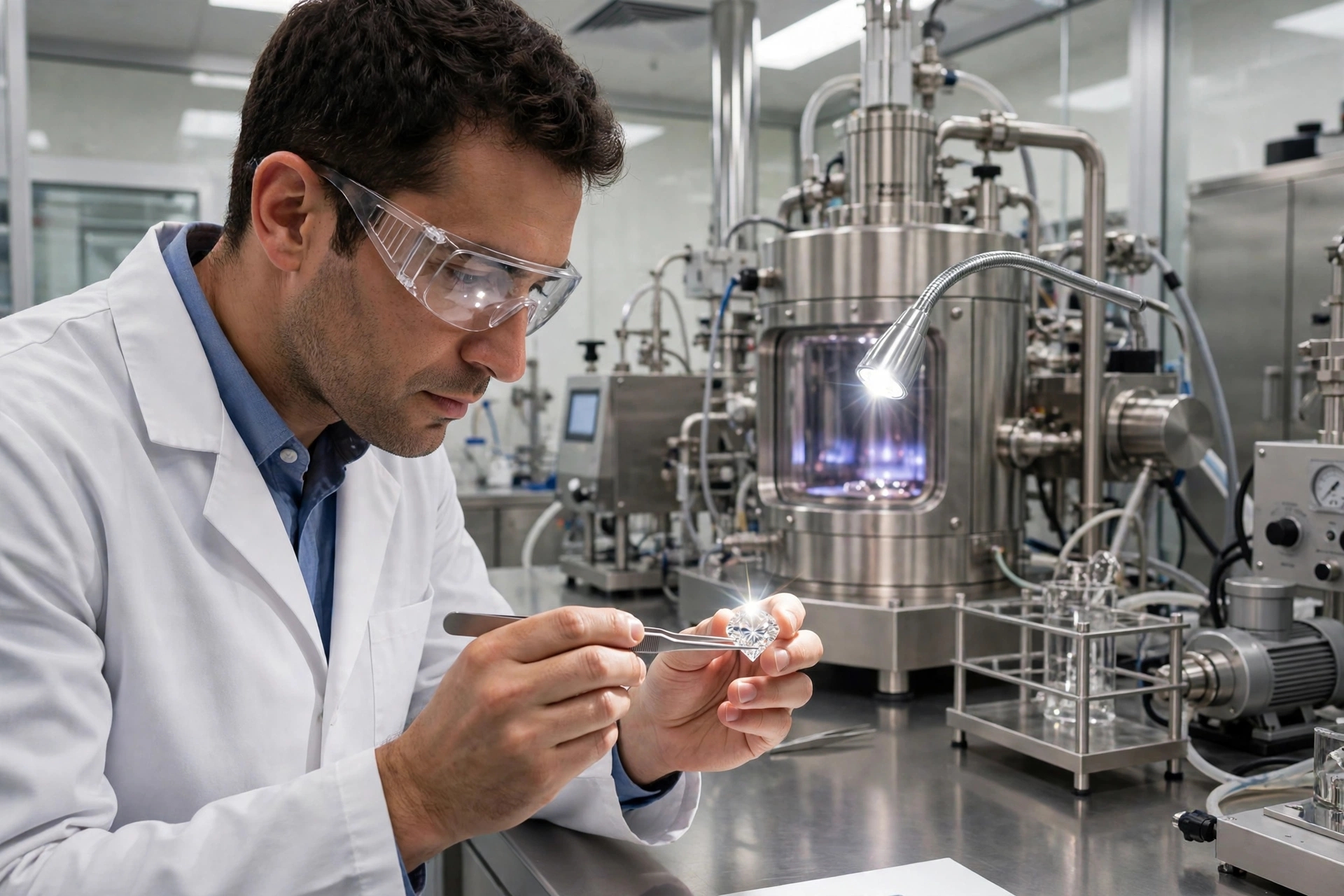
They Look the Same Because They Are the Same Stuff
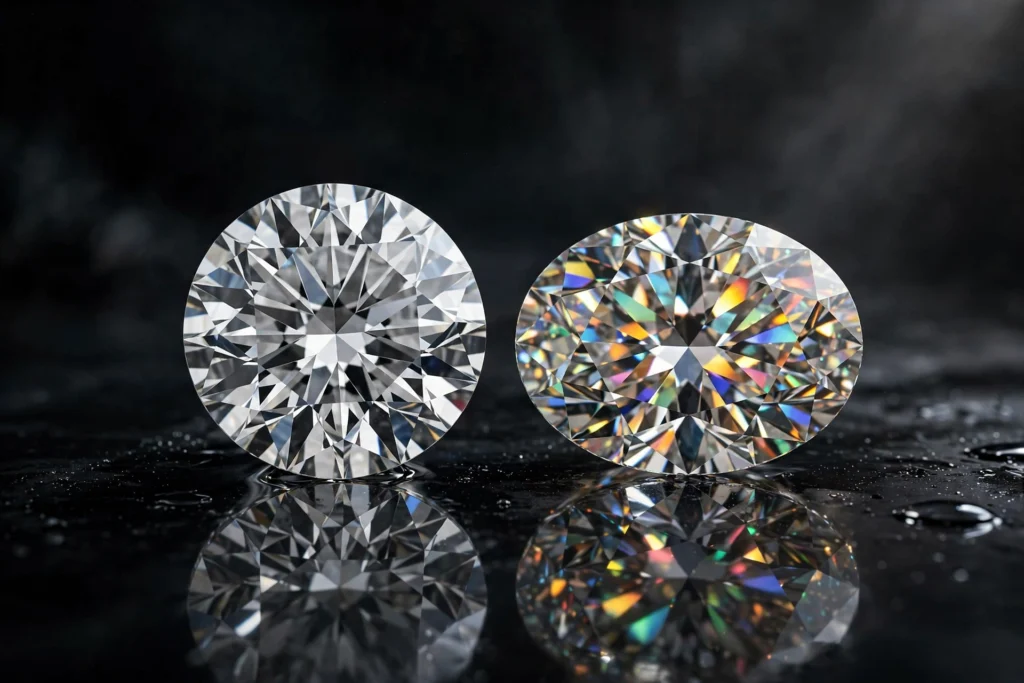
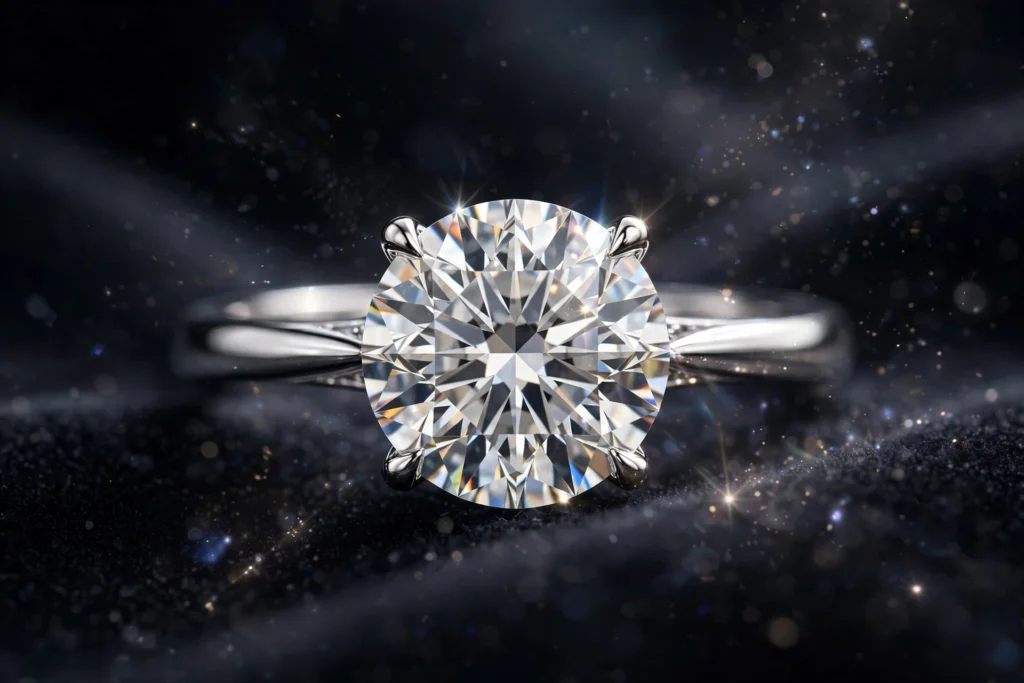
A lab grown diamond shares the exact chemical makeup of a natural diamond, and both stones use pure crystallized carbon. Both stones score 10 on the Mohs hardness scale, and both stones throw the same fire, brilliance, and sparkle. Even trained jewelers cannot spot the difference with the naked eye, and they need advanced lab equipment to tell them apart. Can you really justify paying five times more for a difference you cannot see?
The Price Gap Will Make Your Jaw Drop
Price drives most lab grown diamond vs natural diamond debates, and the numbers explain why. A 1-carat natural diamond often costs $6,000 to $10,000, and a comparable lab grown diamond often costs $1,000 to $2,000. You save 70% to 85% when you choose lab grown, and you can buy a bigger stone or a better setting with that saving. Jewelers price natural diamonds higher because supply stays limited, and labs can produce more stones on demand.
I once helped a friend shop for an engagement ring, and she wanted a 2-carat round brilliant without blowing her budget. Natural options pushed her past $18,000, and lab grown options gave her the same look for under $4,000. She chose the lab grown stone, and she put the leftover money toward the wedding and a honeymoon in Bali. That choice did not make her ring less real; it made her smarter with money.
- A 1-carat lab grown diamond typically costs $800 to $2,000, and retailers set the price by cut, color, and clarity.
- A 1-carat natural diamond typically costs $5,000 to $10,000, and rarity drives that premium.
- A 2-carat lab grown diamond often costs $2,500 to $5,000, and buyers get serious size for the money.
- A 2-carat natural diamond often costs $15,000 to $30,000, and buyers pay a steep premium for that size.
- You stretch your budget 4x to 5x further with lab grown, and you upgrade size or quality without guilt.
Durability and Everyday Wear: No Contest
You wear an engagement ring every day, and you need a stone that handles real life. Both lab grown diamonds and natural diamonds resist scratches, chips, and daily knocks equally well. You can wear either stone while you work, travel, cook, and live your life, and neither stone needs babying. You still need to clean your diamond regularly, and warm soapy water keeps both types sparkling.
Resale Value: The Awkward Truth Nobody Likes to Mention
Here comes the part diamond sellers hate to discuss, and you need to hear it clearly. Natural diamonds hold resale value better than lab grown diamonds, and the market still treats natural stones as scarcer assets. Lab grown diamond prices have dropped sharply in recent years, and analysts expect that downward pressure to continue as production grows. You should buy a diamond as a symbol, not as a stock, and you should never count on reselling it for a profit.
If you buy a natural diamond for $8,000, you might resell it for $3,000 to $4,000, and you will still lose money. If you buy a lab grown diamond for $1,500, you might resell it for $300 to $500, and you will lose a bigger percentage. The math favors neither stone as an investment, and smart buyers treat the purchase as a love expense, not a retirement plan.
Ethics and Environment: The Messy Middle
People often call lab grown diamonds the ethical choice, and that label holds some truth but not the whole story. Labs avoid the mining issues that trouble natural diamonds, and they sidestep child labor, unsafe mines, and conflict zones. Labs still use a lot of energy, and their environmental impact depends heavily on their power source. A lab that runs on renewable energy leaves a smaller footprint, and a lab that runs on coal leaves a much bigger one.
So which diamond wins the ethics crown? Natural diamond mining has cleaned up a lot, and many mines now follow Kimberley Process rules and strict labor standards. Mining still displaces earth, uses water, and disrupts local ecosystems, and no certification erases that impact completely. You must weigh both footprints honestly, and you must ask your seller where the stone came from and how the seller sourced it.
Certification and Grading: What to Check Before You Buy
You should never buy a diamond without a certificate, and you should treat that certificate like a passport for your stone. GIA and IGI grade both lab grown and natural diamonds, and they measure the same 4Cs for each stone. The certificate tells you the cut, color, clarity, carat, and origin, and it protects you from paying for something you did not get. You can verify the report number online, and you can match the inscription on the girdle to the certificate in minutes.
- You should demand a GIA or IGI certificate, and you should skip sellers who offer no paperwork.
- You should check the laser inscription, and you should confirm it matches the report.
- You should compare specs across sellers, and you should never judge a diamond by photos alone.
Common Myths That Need to Die
Myths cloud the lab grown diamond vs natural diamond debate, and sellers spread some of those myths on purpose. Some people claim lab grown diamonds look fake, and that claim falls apart the second you see one in person. Some people claim natural diamonds always appreciate, and history shows most natural diamonds lose value after purchase too. Another myth says lab grown diamonds scratch easily, and that myth ignores basic chemistry because both stones use the same carbon crystal.
- Myth: Lab grown diamonds count as fake. Truth: Labs grow real diamonds, and gemologists classify them as real diamonds.
- Myth: Natural diamonds always come from ethical sources. Truth: Miners source some natural stones responsibly, and miners source others poorly.
- Myth: Bigger always means better. Truth: A well-cut smaller diamond outshines a poorly cut bigger diamond every time.
How to Shop Smart (Whether You Go Lab or Natural)
You shop smart when you set a budget first, and you let that budget guide your size and quality choices. You compare at least three sellers, and you compare total price, certificate, return policy, and warranty. You ask about the setting, the metal, and the craftsmanship, and you remember that a beautiful setting elevates any stone. You check the return window, and you give yourself time to see the diamond in natural light at home.
You should buy from sellers who disclose origin clearly, and you should run from sellers who hide it. You should ask for videos in different lighting, and you should inspect the stone under daylight, indoor light, and evening light. Your gut knows when a deal feels right, and you should trust that feeling after you check the facts.
Which One Should You Actually Buy?
Do you care more about size and sparkle, or do you care more about story and scarcity? Your answer points you straight to the right stone, and you do not need to overthink it. You want maximum beauty for your budget, and lab grown diamonds give you that win. You want a stone that took billions of years to form, and natural diamonds give you that romance.
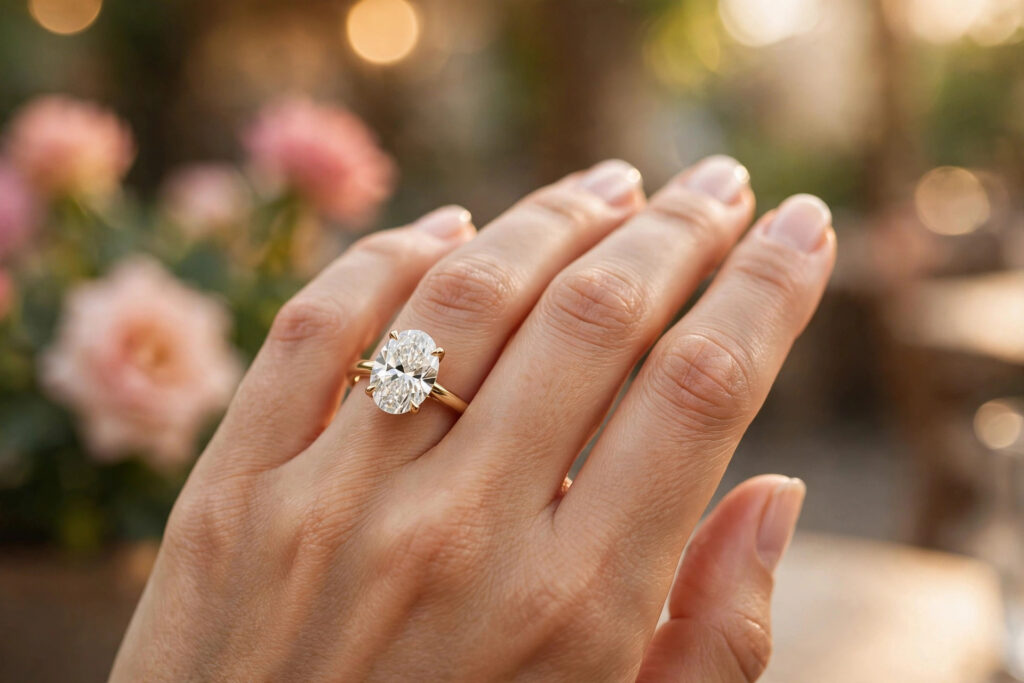
I recommend lab grown diamonds for most buyers, and I recommend them especially for engagement rings, everyday earrings, and trendy pieces. You get more diamond for less money, and you keep cash for the life you actually want to build. You still get a real, certified, dazzling diamond, and no one can call that a compromise.
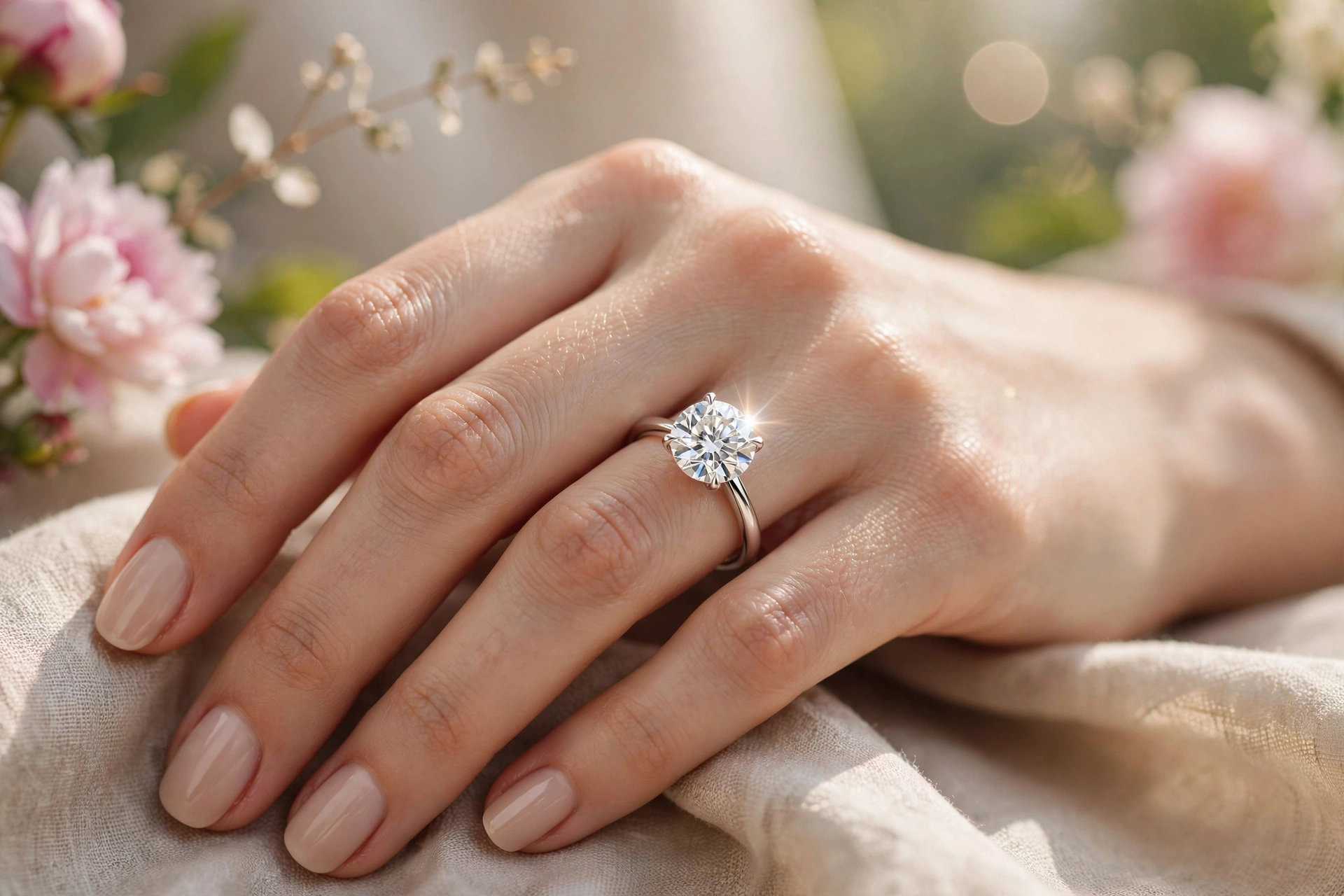
- You should choose lab grown if you want the biggest, brightest stone for your budget.
- You should choose lab grown if you plan to upgrade your ring in a few years.
- You should choose natural if you value rarity and long-term tradition over size.
- You should choose natural if you view the diamond as a family heirloom you will pass down.
- You should choose either if you simply love sparkle, and your heart will guide you better than any chart.
My Honest Take
IMO, lab grown diamonds win for 90% of buyers, and they win on value, size, and everyday practicality. FYI, I have seen buyers cry happy tears over lab grown rings, and I have never seen anyone squint at a stone and ask about its origin at dinner. Natural diamonds still carry a magic that science cannot copy, and that magic lives in their age and rarity. You cannot go wrong when you choose with your heart and your budget, and you will love your diamond for the right reasons.
The Bottom Line
Lab grown diamonds give you more sparkle for less money, and natural diamonds give you rarity and a billion-year story. Both stones sparkle, both stones last, and both stones carry real meaning when you give them with love. You make the right choice when you match the stone to your values, your budget, and your life. So pick the diamond that makes you smile every time you look at it, and wear it proudly.
Frequently Asked Questions
Are lab grown diamonds real diamonds?
Yes. Labs grow real diamonds with the same chemical makeup, hardness, and sparkle as natural diamonds. Gemologists classify them as real diamonds.
Which is cheaper, lab grown or natural diamond?
Lab grown diamonds cost 70% to 85% less than natural diamonds of the same size and quality. You get a bigger stone for the same budget.
Do lab grown diamonds hold their value?
Natural diamonds hold resale value better than lab grown diamonds. Neither stone works well as an investment, so buy for love, not for profit.
Which diamond should I buy for an engagement ring?
Choose lab grown if you want maximum size and value. Choose natural if you value rarity, tradition, and a billion-year origin story.
Can you tell the difference between lab grown and natural diamonds?
No. You cannot tell them apart with the naked eye. Even jewelers need advanced lab equipment to tell them apart.
Comment (1)