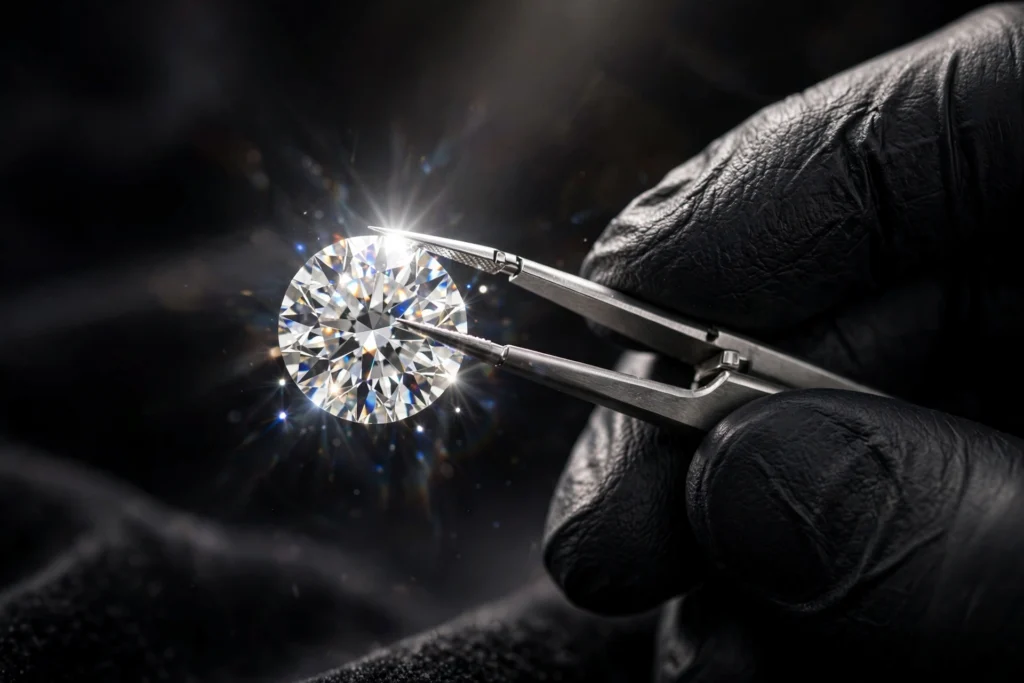
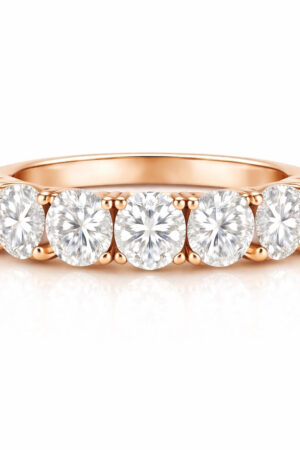
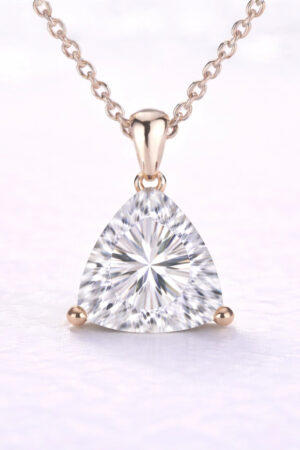
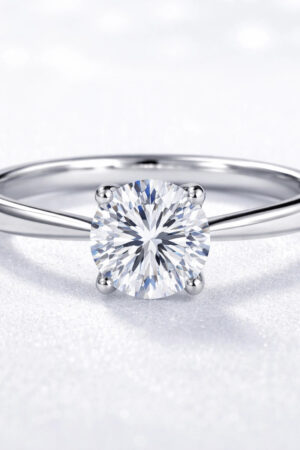
You have probably heard that lab grown diamonds are real diamonds, not fakes or lookalikes. But have you ever stopped to wonder how someone actually grows a diamond in a lab? I did, and the answer surprised me. Nobody squeezes coal really hard and hopes for the best (though one method comes close). Two clever technologies do all the work: HPHT and CVD. This guide explains both in plain English, compares them honestly, and tells you what the method means for your jewellery.
Short Answer: Lab grown diamonds come from two methods. HPHT (High Pressure High Temperature) recreates the crushing pressure and heat of the Earth’s mantle around a tiny diamond seed. CVD (Chemical Vapor Deposition) builds a diamond layer by layer from carbon-rich gas inside a plasma chamber. Both methods produce real diamonds with the same crystal structure, chemical composition, and hardness as mined diamonds. CVD now produces most gem-quality lab grown diamonds, while HPHT excels at fancy colors and smaller stones.
Key Takeaways
- Lab grown diamonds are real diamonds. Both HPHT and CVD create genuine diamond crystal, not simulants.
- HPHT mimics nature with extreme pressure (5 to 6 GPa) and heat (1,300 to 1,600C) around a diamond seed.
- CVD builds diamonds atom by atom from methane gas in a plasma chamber, layer by layer, over several weeks.
- Neither method is universally “better.” HPHT suits fancy colors; CVD suits larger colorless stones.
- The 4Cs on the certificate matter more than the growth method when you shop.
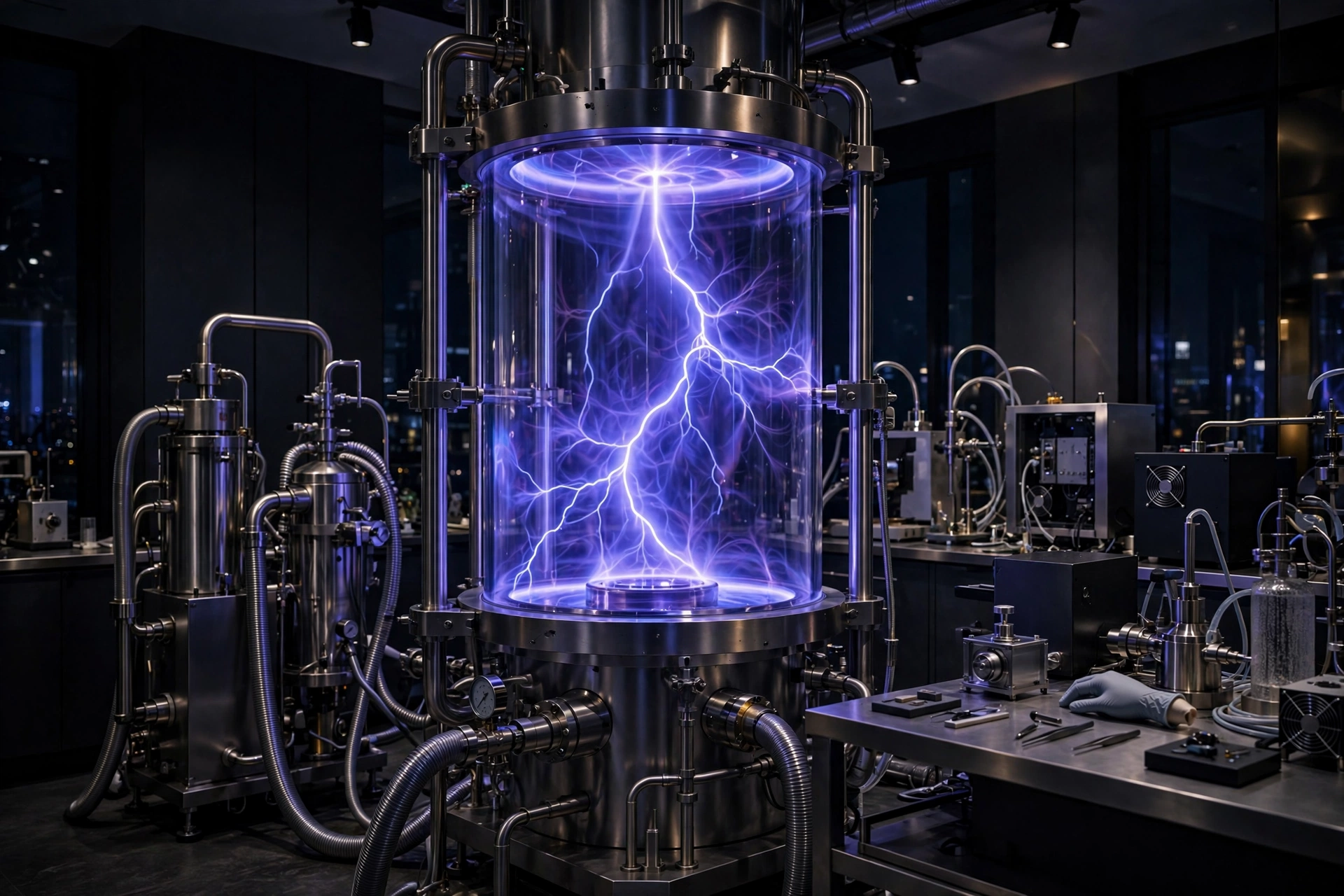
So You Can Really Grow a Diamond in a Lab?
Yes, and the science is simpler than you expect. A diamond is just carbon atoms arranged in a perfect crystal lattice. Labs simply recreate the conditions that force carbon into that arrangement. Nature takes millions of years and the entire planet’s help. Labs take weeks and some very expensive equipment.
Does that make lab grown diamonds somehow less real? Not at all. A lab grown diamond has the same carbon crystal structure as a mined one. It scores 10 on the Mohs hardness scale. It bends light the same way. The only difference is the birthplace, and honestly, the lab version has a much better origin story for dinner parties.
HPHT: The Pressure Cooker Method
HPHT came first. Scientists developed it in the 1950s, originally for industrial cutting tools. Gem-quality HPHT diamonds arrived later, and the method still powers a big share of the market today.
How HPHT Actually Works
- Growers place a tiny diamond seed in a growth cell with a pure carbon source, usually graphite.
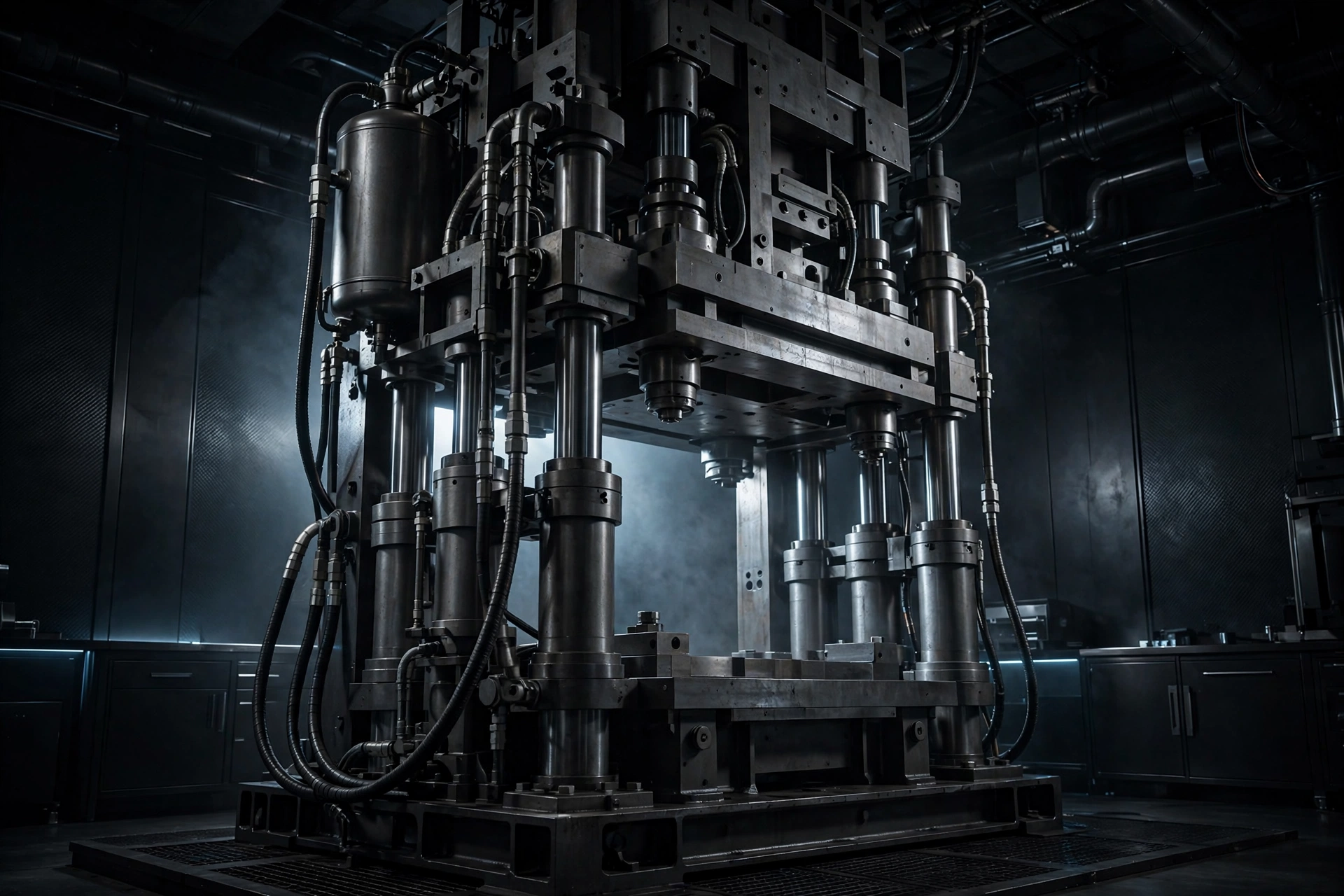
- A massive press squeezes the cell to around 5 to 6 gigapascals. That equals roughly 870,000 pounds per square inch, or about 50,000 times normal atmospheric pressure.
- Heaters raise the temperature to between 1,300 and 1,600C. A molten metal catalyst helps the carbon dissolve at these conditions.
- Carbon atoms crystallize onto the seed, and the diamond grows over days or weeks. Then growers cool the chamber, extract the rough crystal, and cutters shape it into a gem.
Think of it as a pressure cooker for diamonds. Extreme force plus extreme heat plus carbon equals diamond. Nature does exactly this deep underground, so HPHT diamonds carry a certain poetic logic.
What HPHT Does Well (and Where It Struggles)
- It grows diamonds fast. A full cycle takes days to a few weeks, much quicker than CVD.
- It produces gorgeous fancy colors. HPHT handles yellows and blues beautifully, because growers can tweak the chemistry easily.
- Colorless stones are now routine. Modern HPHT produces plenty of D to F color diamonds without drama.
- Metallic inclusions can appear. Tiny traces of the metal catalyst sometimes get trapped inside. Gem labs spot these under magnification, and they help identify the growth method.
- Equipment limits the size. Those giant presses are expensive and finite, so HPHT favors small to medium stones and melee.
CVD: The Layer-by-Layer Builder
CVD arrived later and now dominates gem-quality production. It works nothing like nature. Instead of brute force, it uses chemistry and patience to stack carbon atoms one layer at a time.
How CVD Actually Works
- Growers place a thin diamond seed plate inside a sealed vacuum chamber.
- The chamber fills with carbon-rich gases, typically methane mixed with hydrogen, and heats to roughly 700 to 1,300C.
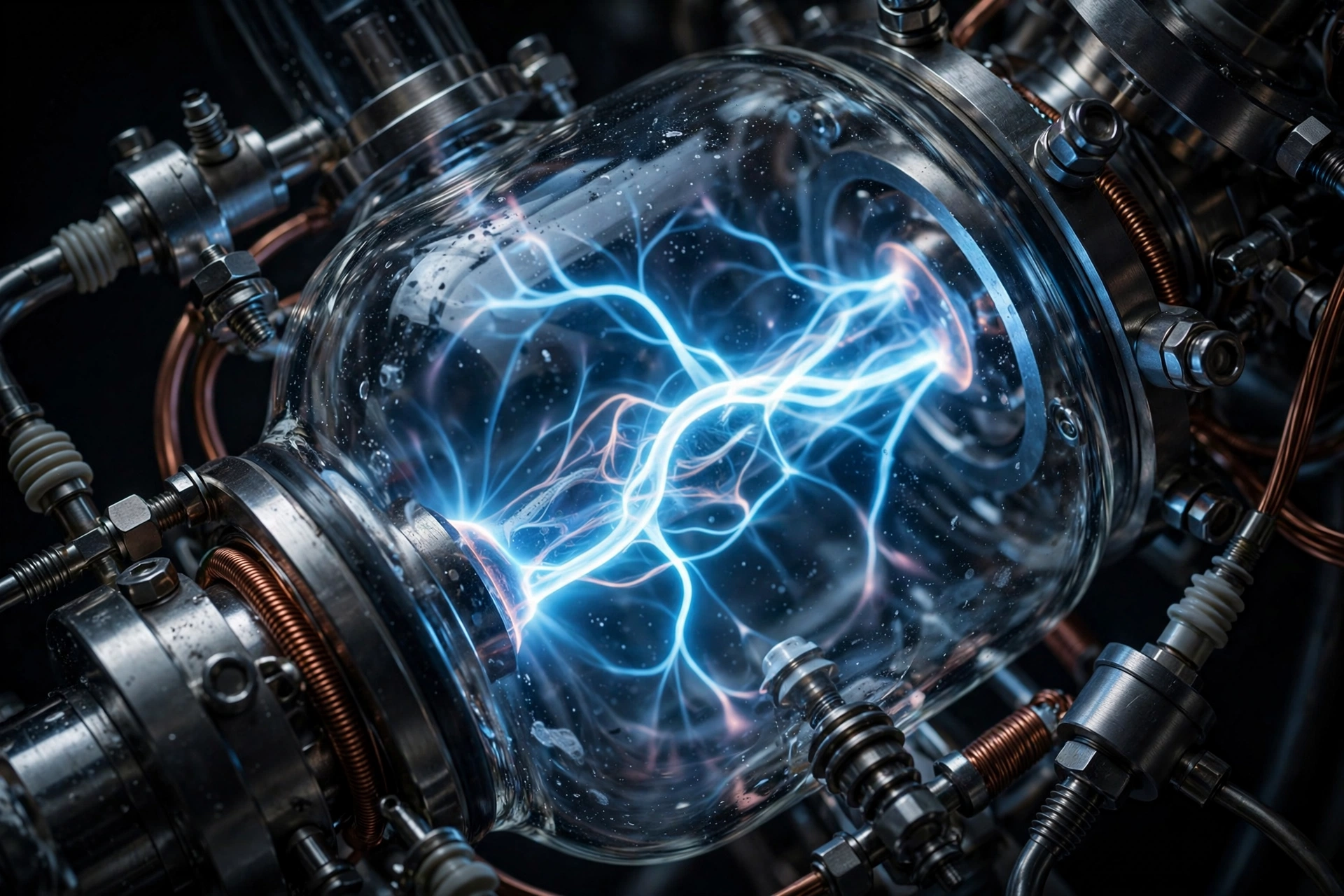
- Microwaves energize the gas into plasma. This glowing plasma breaks the gas molecules apart and frees pure carbon atoms.
- Carbon atoms rain onto the seed and bond to the crystal lattice, one atomic layer at a time.
- Growers pause every few days to polish away any non-diamond carbon from the surface, then resume. The full cycle runs for weeks, sometimes months for very large crystals.
Imagine 3D printing a diamond at the atomic level. That is essentially what CVD does. Slow, precise, and weirdly elegant.
What CVD Does Well (and Where It Struggles)
- It produces exceptionally pure crystals. CVD diamonds often qualify as Type IIa, the chemically purest diamond type with almost no nitrogen impurities.
- It grows larger stones. The chamber design scales better than giant presses, so CVD handles 1-carat-plus stones comfortably.
- As-grown stones can show a brown tint. This comes from internal strain during growth, not from dirt. Most producers fix it with a post-growth heat treatment.
- Growth striations may appear. Layers can leave faint strain patterns that labs detect under polarized light.
- It takes longer. Weeks to months per run means slower turnaround than HPHT.
CVD vs HPHT: Head-to-Head
| Feature | HPHT | CVD |
|---|---|---|
| Full name | High Pressure High Temperature | Chemical Vapor Deposition |
| Core idea | Recreates Earth’s mantle conditions | Builds diamond from gas, layer by layer |
| Temperature | 1,300 to 1,600C | 700 to 1,300C |
| Pressure | Extreme: 5 to 6 GPa | Low: near or below atmospheric |
| Growth time | Days to a few weeks | Weeks to months |
| Typical result | Colorless or fancy colors (yellow, blue) | Near-colorless to colorless, very pure |
| Common quirks | Metallic inclusions possible | Brown tint as-grown (usually treated away) |
| Best for | Fancy colors, small stones, fast production | Larger colorless stones |
Which Method Makes “Better” Diamonds?
Here is the honest answer nobody in marketing wants to give you: neither method is better in any absolute sense. A well-grown HPHT diamond and a well-grown CVD diamond both qualify as real diamonds with identical physical properties.
IMO, the smarter question is “better for what?” Want a vivid fancy yellow or blue diamond? HPHT probably grew it. Want a large, clean, colorless solitaire? CVD likely made it, and most of the lab grown diamonds submitted to major gem labs today are CVD-grown. But a top-grade HPHT colorless stone beats a mediocre CVD one every time.
The certificate tells you more than the method ever will. Cut, color, clarity, and carat decide how your diamond looks on your finger. The growth method is interesting trivia. The 4Cs are the actual purchase decision.
Does the Growth Method Change What You Should Buy?
For most shoppers, no. You will never look at your ring and think, “I can feel the plasma in this one.” What matters is buying a certified stone from a seller you trust, with a grading report from IGI or GIA that confirms the 4Cs.
A few practical notes still help. Small HPHT stones can confuse basic diamond testers because metallic inclusions sometimes trigger false readings, so always buy certified stones rather than relying on a handheld tester alone. Post-growth treatments are normal and disclosed on reputable certificates, so a treated CVD stone is not a defective stone. And fancy colors cost more regardless of method, because demand outruns supply.
If you want to see how these stones look in finished jewellery, browse the lab grown diamond collection and compare styles yourself. Your eyes will tell you more than any growth-method debate.
My Honest Take
FYI, I find the whole “which method is better” debate slightly funny, because it misses the point entirely. Both methods are triumphs of human ingenuity. One recreates the center of the Earth in a machine. The other prints diamonds from glowing gas. And both give you a real diamond for a fraction of the mined price.
Judge the diamond, not the machine that made it. Check the certificate, look at the stone, and pick what makes you happy. The lab did the hard part. Your job is the fun part.
The Bottom Line
Lab grown diamonds come from HPHT, which uses crushing pressure and intense heat, or CVD, which deposits carbon layer by layer from plasma. Both produce genuine diamonds with the same structure and hardness as mined stones. CVD leads in larger colorless production, HPHT leads in fancy colors and speed. When you shop, prioritize the 4Cs and a trusted certificate over the growth method.
Frequently Asked Questions
Are CVD and HPHT diamonds real diamonds?
Yes. Both methods create genuine diamond crystal from pure carbon. They share the same chemical composition, crystal structure, optical properties, and hardness (10 on the Mohs scale) as mined diamonds. Gem labs grade them with the same 4Cs.
Which is better, CVD or HPHT?
Neither is universally better. HPHT excels at fancy colors and faster production of smaller stones. CVD excels at larger, very pure colorless stones. A diamond’s cut, color, clarity, and carat matter far more than its growth method.
Can jewelers tell CVD from HPHT?
Trained gemologists with lab equipment can usually identify the growth method. HPHT stones may show metallic inclusions, while CVD stones may show growth striations under polarized light. Standard grading reports sometimes note the growth method.
Do CVD diamonds have a brown tint?
As-grown CVD diamonds sometimes show a brownish tint from internal strain. Producers typically remove it with a post-growth heat treatment, and reputable certificates disclose any treatment. A finished, certified CVD diamond shows no brown tint.
How long does it take to grow a diamond?
HPHT growth takes days to a few weeks per cycle. CVD growth takes several weeks, and very large crystals can take months. Cutting and polishing add more time after growth finishes.
Does the growth method affect price?
Not directly. Price follows the 4Cs, like any diamond. Fancy colors and larger high-clarity stones cost more because of demand and yield, not because of the machine that grew them.
Sources
GIA explains laboratory-grown diamond processes: https://www.gia.edu. IGI grades lab grown diamonds and publishes growth-method research: https://www.igi.org. The FTC’s Jewelry Guides govern diamond advertising: https://www.ftc.gov/legal-library/browse/rules/jewelry-precious-metals-pewter-jewelry-guides. Written by the I Love Jewelry Team. Last updated: October 2026.