You Google lab grown diamond prices, you see numbers from $300 to $15,000, and you wonder who tells the truth. I have watched friends overpay by thousands because no one gave them a straight answer, and I have felt that frustration myself. This guide gives you real 2027 price ranges for 0.5 to 3 carats, and it shows you exactly what drives those prices. You will walk away knowing what to pay, what to skip, and how to spot a good deal fast.
Short Answer: A lab grown diamond costs $400 to $800 for 0.5 carat, $800 to $1,800 for 1 carat, $1,800 to $4,500 for 2 carats, and $3,500 to $8,500 for 3 carats in 2027.
Lab grown diamond price per carat falls as production grows, and most buyers pay 70% to 85% less than natural diamonds for the same size. You pay more for excellent cut, higher color, and eye-clean clarity, and you pay less when you accept a J color or SI2 clarity that still looks great.

Key Takeaways
- Lab grown diamond cost in 2027 runs $400 to $8,500 across 0.5 to 3 carats, and size drives the biggest jump.
- A 1-carat lab grown diamond costs $800 to $1,800, and a 1-carat natural diamond costs $5,000 to $10,000.
- Cut drives sparkle more than carat, and an Excellent cut beats a bigger dull stone every time.
- You save the most when you pick G to J color and VS2 to SI1 clarity, and you still get a stunning stone.
- Total ring cost adds $300 to $1,500 for the setting, and gold and platinum set the final price.
How Much Does a Lab Grown Diamond Cost in 2027? Quick Comparison
Lab grown diamond prices dropped sharply over the last five years, and 2027 prices sit at their most buyer-friendly level yet. Labs produce more stones every year, and that extra supply pushes prices down for buyers. Retailers pass those savings to you, and you now get a bigger diamond for the same budget you had in 2021. You still need to compare cut, color, and clarity, because two 1-carat stones can carry very different price tags.
| Carat | Total Price 2027 | Price Per Carat | Best For |
|---|---|---|---|
| 0.5 | $400 to $700 | $800 to $1,400 | Studs, small pendants |
| 1.0 | $800 to $1,800 | $800 to $1,800 | Engagement rings |
| 1.5 | $1,200 to $2,800 | $800 to $1,870 | Sweet spot for size + value |
| 2.0 | $1,800 to $4,500 | $900 to $2,250 | Statement rings |
| 2.5 | $2,500 to $6,000 | $1,000 to $2,400 | Bold look |
| 3.0 | $3,500 to $8,500 | $1,170 to $2,830 | Showstopper |
Lab Grown Diamond Price Per Carat in 2027 (0.5 to 3 Carat)
Price per carat tells you the cost of one carat of diamond, and jewelers calculate it by dividing total price by carat weight. A $1,200 1.5-carat stone carries an $800 per-carat price, and a $4,000 2-carat stone carries a $2,000 per-carat price. Per-carat price climbs as size climbs, and larger clean stones stay rarer even in labs. You use per-carat price to compare stones fairly, and you avoid overpaying for a heavy but dull stone.
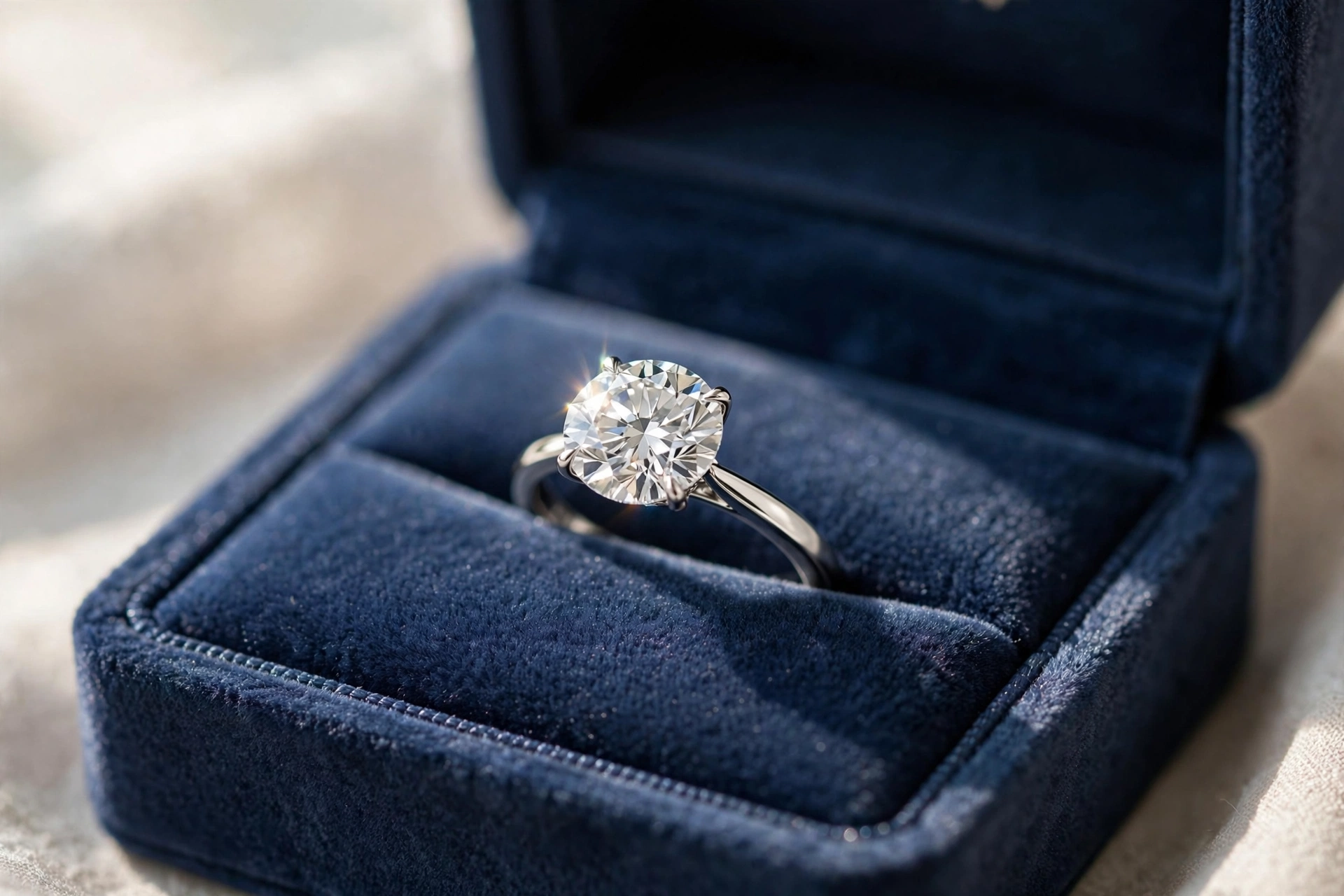
A 0.5-carat lab grown diamond suits studs and delicate pendants, and it costs $400 to $700 in 2027. A 1-carat lab grown diamond suits engagement rings best, and it costs $800 to $1,800 for a well-cut, eye-clean stone. A 2-carat lab grown diamond turns heads, and it costs $1,800 to $4,500, while a 3-carat stone costs $3,500 to $8,500 and delivers serious presence.
- 0.5 carat: $400 to $700 total, and buyers get the best value for everyday jewelry.
- 1 carat: $800 to $1,800 total, and buyers get the most popular size for engagement rings.
- 1.5 carat: $1,200 to $2,800 total, and buyers get the sweet spot for size and value.
- 2 carat: $1,800 to $4,500 total, and buyers pay a premium for the bigger look.
- 3 carat: $3,500 to $8,500 total, and buyers pay top dollar for rarity and presence.

What Actually Drives the Price?
Cut drives price more than any other factor, and an Excellent or Ideal cut costs more because cutters shape it for maximum sparkle. Color drives price next, and D to F stones cost more than G to J stones that still look white to most eyes. Clarity drives price too, and VS1 to VS2 stones cost more than SI1 to SI2 stones that still look eye-clean. Carat drives the headline price, and a 2-carat stone costs more than twice a 1-carat stone because larger stones stay harder to grow clean.
Shape changes price as well, and round brilliants cost more than oval, pear, or cushion shapes of the same carat. Certification adds value, and GIA or IGI reports cost more because labs verify every spec independently. Retailer markup swings price wildly, and online sellers often charge far less than mall stores for the same stone.
- Cut: Excellent / Ideal cut costs 15% to 25% more, and it delivers the most sparkle.
- Color: D-F costs the most, G-J saves 20% to 30% and still looks white.
- Clarity: VS2-SI1 offers the best value, and eye-clean beats flawless on paper.
- Shape: Round costs the most, fancy shapes save 10% to 25%.
Lab Grown vs Natural: Price Comparison in 2027
Natural diamonds still cost 4x to 5x more than lab grown diamonds, and that gap keeps widening as lab production grows. A 1-carat natural diamond costs $5,000 to $10,000, and a 1-carat lab grown diamond costs $800 to $1,800 for the same look. A 2-carat natural diamond costs $15,000 to $30,000, and a 2-carat lab grown diamond costs $1,800 to $4,500. Why does anyone pay 5x more for a difference no one can see? That question answers itself once you compare the numbers.
- 1 carat natural: $5,000 to $10,000, and buyers pay for rarity and tradition.
- 1 carat lab grown: $800 to $1,800, and buyers get the same sparkle for less.
- 2 carat natural: $15,000 to $30,000, and buyers pay a steep premium.
- 2 carat lab grown: $1,800 to $4,500, and buyers get serious size for the money.
What About the Setting and Total Ring Cost?
Your diamond price does not include the setting, and you need to budget $300 to $1,500 extra for the ring itself. A simple gold solitaire setting costs $300 to $700, and a platinum halo setting costs $800 to $1,500. A 1-carat lab grown ring with a gold setting totals $1,100 to $2,500 all-in, and the same natural ring totals $5,300 to $10,700. You control the total by picking the setting first, and you stretch your budget further with a simpler design.
I once helped a friend build a 1.5-carat lab grown ring, and she wanted a halo setting without blowing her budget. The stone cost $1,900, the platinum setting cost $1,100, and the total hit $3,000 all-in. A natural version would have pushed her past $14,000, and she used the savings for the wedding instead.
Will Lab Grown Diamond Prices Drop More?
Analysts expect lab grown prices to keep falling slowly, and production keeps growing every year. Prices will not crash to zero, and labs still spend money on energy, equipment, and skilled labor. You should buy when you need the ring, and you should not wait for a $200 discount that may never arrive. The best deal comes from buying smart today, and a great cut beats a slightly cheaper stone every time.
How to Get the Best Value in 2027
You get the best value when you prioritize cut over carat, and an Excellent cut makes a 1.2-carat stone outshine a dull 1.5-carat stone. You save money when you pick G to J color and VS2 to SI1 clarity, and most eyes cannot spot the difference from D-F / VS1. You compare at least three sellers, and you compare total price, certificate, return policy, and warranty side by side. You ask for videos in daylight and indoor light, and you inspect the stone before you commit.
- Pick Excellent cut first, and let cut drive your sparkle.
- Pick G-J color and VS2-SI1 clarity, and keep your stone eye-clean.
- Demand a GIA or IGI certificate, and skip sellers who offer no paperwork.
- Compare total cost, not just stone cost, and include setting and tax.
My Honest Take
IMO, lab grown wins big in 2027, and buyers get more diamond for less money than ever before. FYI, I have seen buyers pick a 2-carat lab grown ring for under $4,000, and I have never seen anyone regret choosing size and sparkle over a label. Natural diamonds still carry a magic that science cannot copy, and that magic lives in their age and rarity. You cannot go wrong when you buy with your eyes and your budget, and you will love your diamond for the right reasons.
The Bottom Line
Lab grown diamonds cost $400 to $8,500 across 0.5 to 3 carats in 2027, and they deliver real sparkle for far less than natural diamonds. You pay most for cut and size, and you save most by picking smart color and clarity. You make the right choice when you match the stone to your budget, your style, and your life. So pick the diamond that makes you smile every time you look at it, and wear it proudly.
Frequently Asked Questions
How much does a 1 carat lab grown diamond cost in 2027?
A 1-carat lab grown diamond costs $800 to $1,800 in 2027 for a well-cut, eye-clean stone. You pay more for D-F color and VS1 clarity, and you pay less for J color and SI1 clarity.
How much does a 0.5 carat lab grown diamond cost?
A 0.5-carat lab grown diamond costs $400 to $700 in 2027. Buyers use it for studs, pendants, and small rings.
How much does a 2 carat lab grown diamond cost?
A 2-carat lab grown diamond costs $1,800 to $4,500 in 2027. Cut and clarity set the final price within that range.
How much does a 3 carat lab grown diamond cost?
A 3-carat lab grown diamond costs $3,500 to $8,500 in 2027. Larger clean stones cost more per carat because labs grow them less often.
What is the price per carat for lab grown diamonds in 2027?
Lab grown diamond price per carat runs $800 to $2,800 across 0.5 to 3 carats in 2027. Per-carat price climbs as size climbs.
Why are lab grown diamonds so much cheaper than natural?
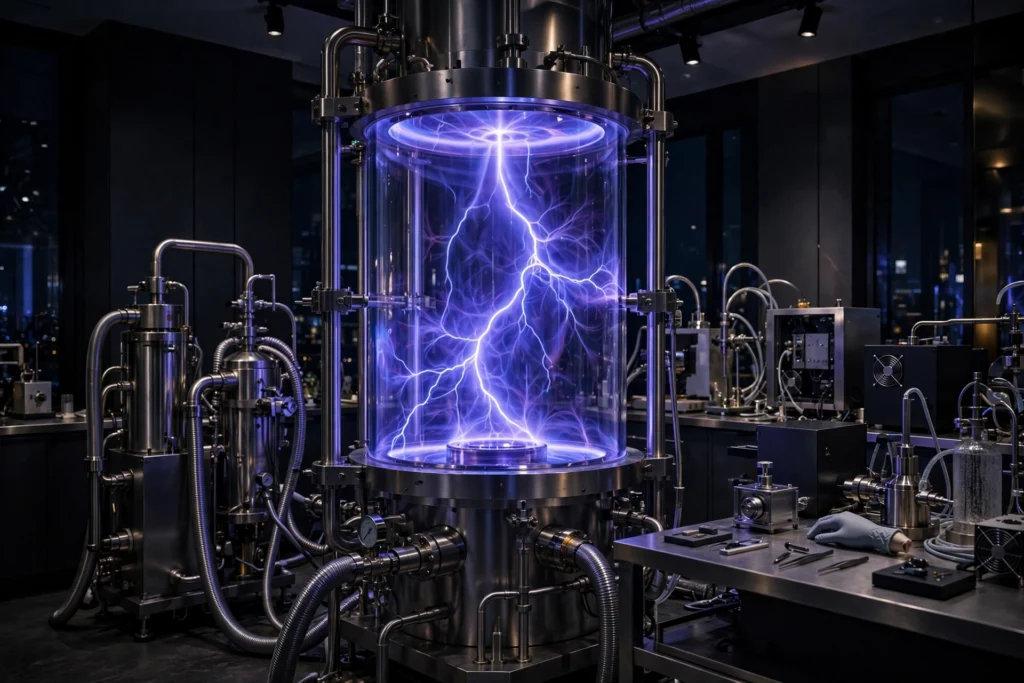
Labs grow diamonds in weeks, and miners dig natural diamonds over billions of years. Labs produce more stones on demand, and that supply pushes prices down.
Will lab grown diamond prices drop more in 2028?
Analysts expect prices to keep falling slowly as production grows. Prices will not crash to zero because labs still pay for energy, equipment, and labor.
Are lab grown diamonds real diamonds?
Yes. Labs grow real diamonds with the same chemical makeup, hardness, and sparkle as natural diamonds. Gemologists classify them as real diamonds.
Do lab grown diamonds hold their value?
Natural diamonds hold resale value better than lab grown diamonds. Neither stone works well as an investment, so buy for love, not profit.
What is the best lab grown diamond to buy for value?
Buyers get the best value from a 1 to 1.5-carat, Excellent cut, G-J color, VS2-SI1 clarity stone with a GIA or IGI certificate. That combo delivers maximum sparkle for the money.
Sources
GIA grades both lab grown and natural diamonds, and it publishes grading standards for buyers. IGI certifies lab grown diamonds worldwide, and it verifies cut, color, clarity, and carat for each stone. FTC sets jewelry advertising rules in the US, and it requires sellers to disclose lab grown origin clearly.



Comment (1)