You fell in love with a ring, and then someone whispered, “Is that moissanite or a real diamond?” Now you cannot stop wondering whether you should pay more for lab grown or save big with moissanite. Both stones look stunning in the case, and both sellers swear their stone wins. This guide settles the debate with honest answers, and you will know exactly which stone deserves your money by the end.
Short Answer: Buy a lab grown diamond if you want a real diamond with maximum resale credibility and a classic white sparkle. Buy moissanite if you want the biggest, flashiest stone for the smallest budget. Lab grown costs more, moissanite sparkles harder, and both survive daily wear beautifully.
Key Takeaways
- Lab grown diamonds are real diamonds. They use pure crystallized carbon and score 10 on the Mohs scale.
- Moissanite is a different gemstone, not a fake diamond. It uses silicon carbide and scores 9.25 on the Mohs scale.
- Moissanite costs far less. A 1-carat moissanite runs $300 to $600, while a 1-carat lab grown diamond runs $800 to $1,800 in 2027.
- Moissanite throws more rainbow fire than diamond, and some buyers love that disco-ball effect while others prefer diamond’s subtler white sparkle.
- Neither stone works as an investment, but lab grown holds slightly better resale credibility than moissanite.
What Is a Lab Grown Diamond?
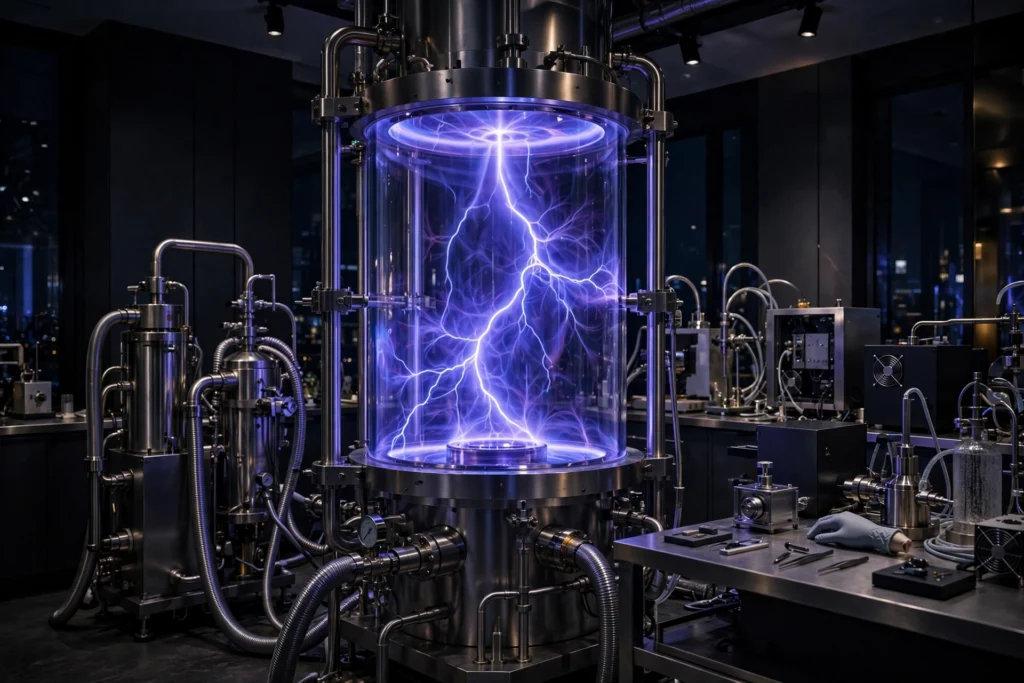
Labs grow real diamonds with HPHT or CVD methods, and scientists copy the exact conditions that create diamonds underground. The result shares the same chemical makeup, hardness, and crystal structure as a mined diamond. GIA and IGI grade lab grown diamonds with the same 4Cs they use for natural stones. You own a genuine diamond when you buy lab grown, and no honest jeweler disputes that fact.
If you are ready to shop, browse our collection of lab grown diamonds to compare cuts, colors, and carat weights.
What Is Moissanite?
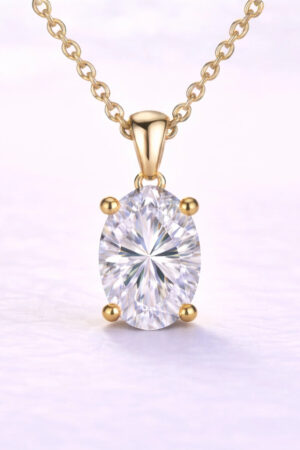
Henri Moissan discovered moissanite in 1893 inside a meteor crater, and scientists later learned to grow silicon carbide crystals in labs. Charles & Colvard brought lab-grown moissanite to jewelry in the late 1990s, and the stone has grown popular ever since. Moissanite never pretends to be diamond — it stands as its own gemstone with its own optical personality. You buy moissanite for what it is, and what it is happens to be gorgeous.
Price: Lab Grown Diamond vs Moissanite
Moissanite wins the price war, and it wins by a wide margin. A 1-carat moissanite costs $300 to $600, and a 1-carat lab grown diamond costs $800 to $1,800 in 2027. A 2-carat moissanite costs $600 to $1,200, and a 2-carat lab grown diamond costs $1,800 to $4,500. You read that right — moissanite costs roughly half to one-third of lab grown at the same carat weight.
Why does moissanite cost so much less? Labs grow silicon carbide more cheaply and quickly than diamond crystals, and the moissanite market has fewer premium brands commanding diamond-level prices. You also skip the diamond industry’s certification and grading costs, which add hundreds of dollars to every lab grown stone. Your wallet feels the difference immediately.
Price ranges based on US online retail listings for certified stones, checked October 2026. Actual prices vary by seller, brand, and specs.
Sparkle and Fire: Which Shines Brighter?
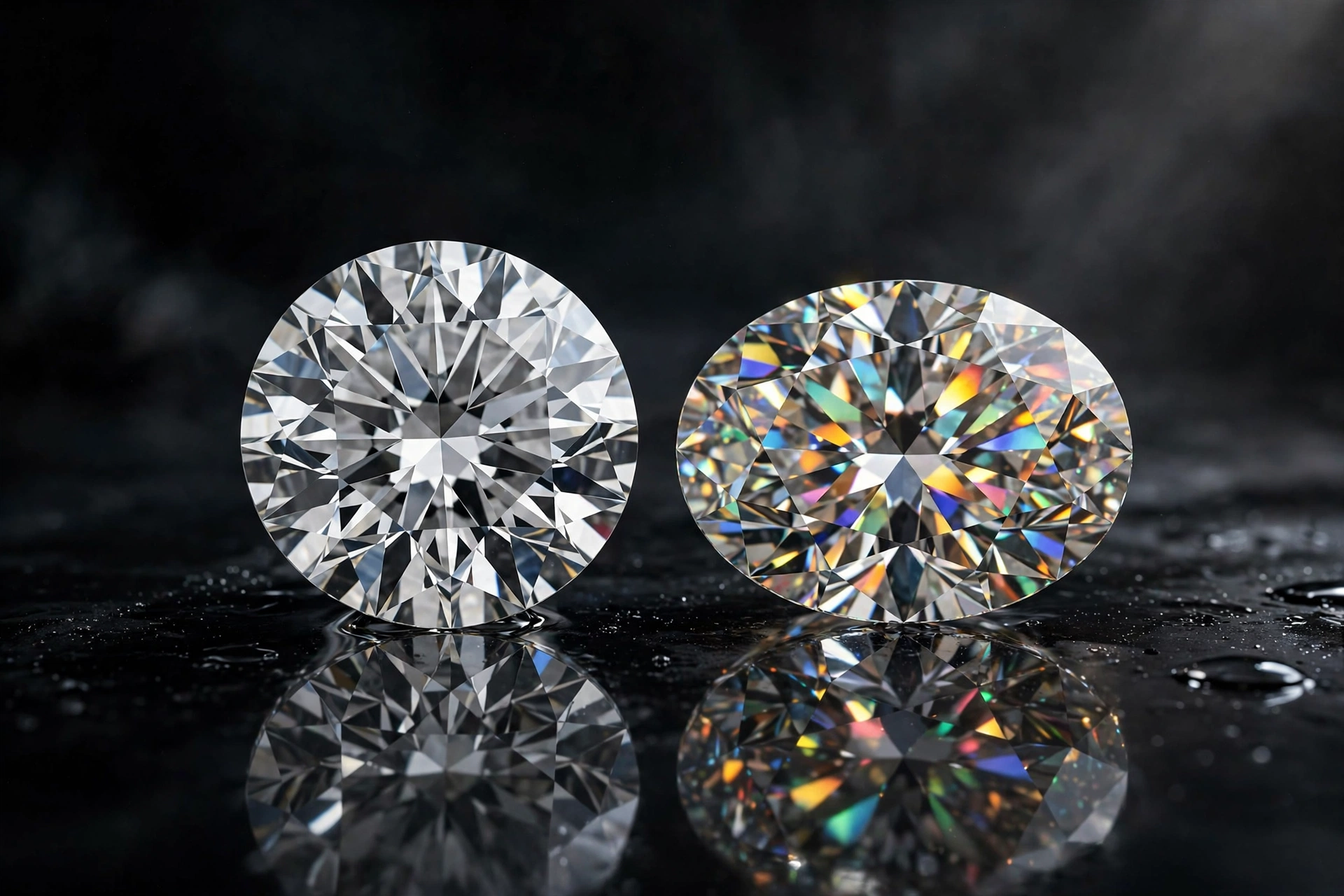
This question sparks the fiercest debate, so let us get precise. Brilliance means white light bouncing back at your eye, and fire means rainbow-colored flashes splitting across the facets. Diamonds balance both beautifully, and moissanite leans hard into fire. Moissanite’s dispersion measures 0.104 against diamond’s 0.044, which means moissanite throws more than double the rainbow flashes.
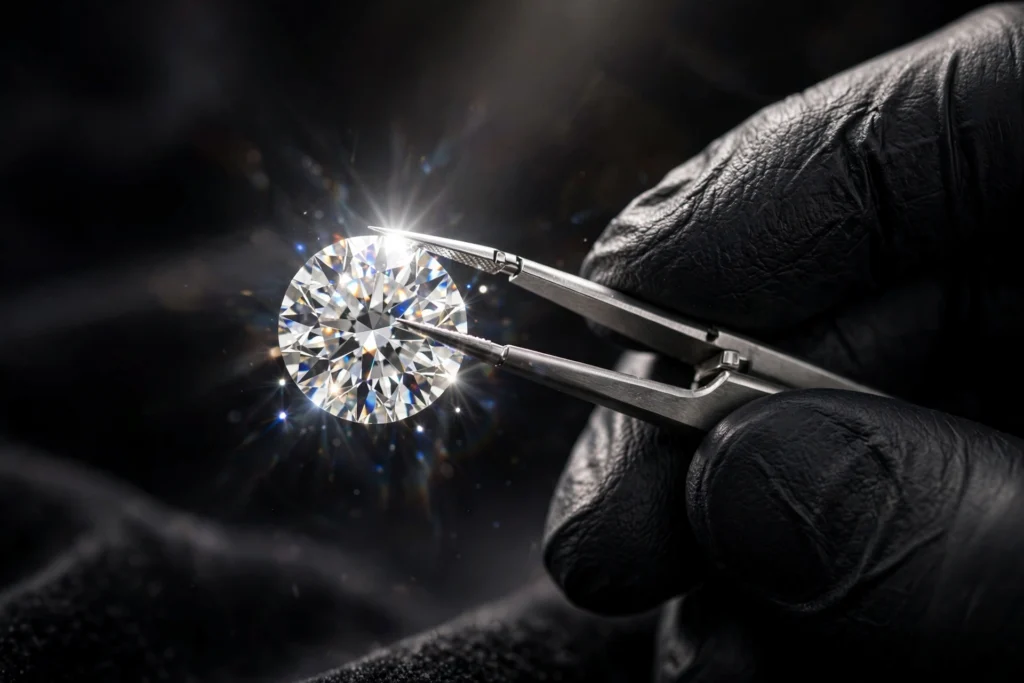
What does that look like in real life? Moissanite flashes bold rainbow colors in sunlight, and some buyers describe the effect as a disco ball. Diamonds throw a crisper white sparkle with subtler rainbow hints, and traditionalists call that look more refined. Neither effect is objectively better — your eyes decide. Do you want maximum rainbow drama, or do you want the classic diamond look everyone recognizes?
One honest warning: larger moissanite stones can show a slightly warm or greenish tint in certain lighting, though premium grades like Forever One stay near-colorless. Lab grown diamonds in G-J color look icy white by comparison. You should view both stones in daylight before you decide, and you should trust your own eyes over any sales pitch.

Durability: Which One Survives Daily Life?
Both stones handle daily wear with ease, and you will not baby either one. Diamond scores a perfect 10 on the Mohs hardness scale, and moissanite scores 9.25 — the second-hardest gemstone used in jewelry. Only diamond can scratch moissanite in theory, and you will not encounter that situation in normal life. Both stones resist chips, scratches, and clouding for decades of wear.
Can moissanite go cloudy over time? This myth refuses to die, so let us kill it properly. Moissanite does not get cloudy — dirt, soap, and lotion build up on any stone and dull its sparkle, and a quick clean restores full fire. You clean moissanite the same way you clean diamond: warm water, mild soap, and a soft brush. The stone underneath stays permanently brilliant.
Can Anyone Tell Them Apart?
Your friends cannot tell them apart, and neither can you without training. A casual glance reveals two sparkling white stones, and most people will call both of them diamonds. Jewelers spot differences under magnification: moissanite shows doubled facet edges because of its double refraction, while diamond shows single crisp edges. Standard diamond testers can also misread moissanite, though modern testers distinguish the two reliably.
Does the difference matter socially? Honestly, no. Nobody at dinner whips out a loupe and interrogates your ring. You wear the stone with confidence, and confidence sells any choice. The only person who needs to love the stone is you.
Resale Value: The Honest Math
Here comes the part sellers skip. Neither stone holds resale value well, and you should buy both for love, not profit. Lab grown diamonds resell for a fraction of their purchase price, and moissanite resells for even less. Natural diamonds hold value better than both, though even natural stones lose money on resale in most cases.
But the math favors the cheaper stone in a funny way. You lose a bigger percentage on moissanite, yet you paid $400 instead of $1,500. The lab grown buyer loses fewer percentage points but more actual dollars. IMO, resale should not drive this decision at all — you buy the stone you want to wear for decades, and you let your savings account handle the investing.
Lab Grown Diamond vs Moissanite: Side by Side
| Feature | Lab Grown Diamond | Moissanite |
|---|---|---|
| What it is | Real diamond (pure carbon) | Silicon carbide gemstone |
| Hardness | 10 Mohs | 9.25 Mohs |
| 1-carat price (2027) | $800 to $1,800 | $300 to $600 |
| Sparkle style | White brilliance, subtle fire | Bold rainbow fire |
| Certification | GIA / IGI | Brand grading (e.g., Charles & Colvard) |
| Resale value | Low | Lower |
| Daily durability | Excellent | Excellent |
How to Choose: A Simple Decision Guide
You already know enough to decide, and this checklist makes it official. Answer these questions honestly, and the right stone picks itself.
- You should buy lab grown diamond if you want a real diamond, full stop. The certificate says diamond, the gemologist says diamond, and tradition says diamond.
- You should buy lab grown diamond if you prefer a classic white sparkle over rainbow flashes, and you want the stone to read as “diamond” to everyone.
- You should buy moissanite if your budget rules the decision, and you want the largest possible stone for your money.
- You should buy moissanite if you love bold rainbow fire, and the disco-ball effect excites you rather than bothers you.
- You should buy either if you simply want a beautiful, durable, ethical stone — both skip mining, and both last a lifetime.
My Honest Take
FYI, most buyers agonize over this choice far longer than it deserves, because both stones genuinely deliver. Lab grown wins when the word “diamond” matters to you or your partner — and for many buyers, that word carries real emotional weight. Moissanite wins when you want maximum visual impact per dollar, and you refuse to pay the diamond premium on principle. You cannot make a wrong choice here, only a less-you choice. Pick the stone that makes you grin when the light hits it, and wear it like you mean it.
The Bottom Line
Lab grown diamonds give you a real diamond with classic sparkle at $800 to $1,800 per carat, and moissanite gives you a distinct, fiery gemstone at $300 to $600 per carat. Moissanite out-sparkles diamond on rainbow fire, diamond wins on hardness and tradition, and both survive daily life beautifully. Match the stone to your budget and your taste, not to anyone else’s opinion. The best stone is the one you love looking at every single day.
Frequently Asked Questions
Is moissanite a fake diamond?
No. Moissanite is a genuine gemstone made of silicon carbide, not an imitation. It never claims to be diamond — it has its own chemical composition, optical properties, and beauty.
Which sparkles more, moissanite or lab grown diamond?
Moissanite produces more rainbow fire because its dispersion (0.104) exceeds diamond’s (0.044). Lab grown diamonds produce a brighter white brilliance. Your preference decides the winner.
Does moissanite get cloudy over time?
No. Moissanite stays permanently brilliant, and any dullness comes from surface dirt, soap, or lotion. Regular cleaning with warm water and mild soap restores full sparkle.
Which is better for an engagement ring?
Both work beautifully. Lab grown diamond suits buyers who want a real diamond with traditional prestige. Moissanite suits buyers who want maximum size and fire for minimum money. Planning the proposal? Read our complete guide to lab grown diamond engagement rings before you shop.
Can a jeweler tell moissanite and lab grown diamond apart?
Yes, under magnification. Moissanite shows doubled facet edges from double refraction, while diamond shows single edges. Modern gem testers also distinguish them reliably.
Which holds its value better?
Lab grown diamond holds slightly better resale credibility than moissanite, but both lose significant value on resale. Buy for love and wear, not as an investment.
Sources
GIA explains lab grown diamond identification and grading: https://www.gia.edu/lab-grown-diamond. Charles & Colvard, the original creator of lab-grown moissanite jewelry, publishes moissanite gemstone facts: https://www.charlesandcolvard.com. IGI certifies lab grown diamonds worldwide: https://www.igi.org. Written by the I Love Jewelry Team. Last updated: October 2026.