Your aunt says lab grown diamonds turn cloudy. A jeweler whispers that they are fake. The internet swears they fall apart in five years. You have heard so many myths that you no longer know what is true. This guide takes the seven most stubborn myths about lab grown diamonds and demolishes each one with facts, and you will finish immune to every scare story out there.
Short Answer: No, lab grown diamonds do not get cloudy, and most myths about them are false. They are real diamonds with the same hardness, sparkle, and durability as natural diamonds. They do not turn yellow, fall apart, or reveal themselves as fakes. The only myth with a grain of truth involves resale value, and even that story needs serious nuance.
Key Takeaways
- Lab grown diamonds never get cloudy. Surface dirt can dull any stone, but soap and water restore full sparkle.
- They are real diamonds, not fakes, simulants, or cubic zirconia, and gemologists classify them as genuine diamonds.
- They last forever with the same 10/10 Mohs hardness as natural diamonds.
- Most myths come from sellers who profit when you fear lab grown and overpay for natural.
- Resale value is the one honest concern, but the full math favors lab grown buyers anyway.

Myth 1: Lab Grown Diamonds Get Cloudy Over Time
This is the myth that refuses to die, so let us bury it properly. Lab grown diamonds do not get cloudy, ever. Diamond is the hardest natural material on earth, and no amount of wearing, washing, or living changes its crystal structure. A diamond that looks cloudy has dirt on it, not damage in it. Soap scum, lotion, and everyday grime build a film on any stone, and that film dulls sparkle until you clean it off.
The fix takes two minutes. Soak the ring in warm water with mild dish soap, scrub gently with a soft toothbrush, rinse, and pat dry. The stone underneath shines exactly as it did on day one. Do you blame your windows when dust makes them hazy? Of course not. Give your diamond the same logic, clean it regularly, and this myth never touches you.
Verdict: False. Dirt causes dullness, cleaning cures it, and the diamond itself never changes.
Myth 2: Lab Grown Diamonds Are Fake Diamonds
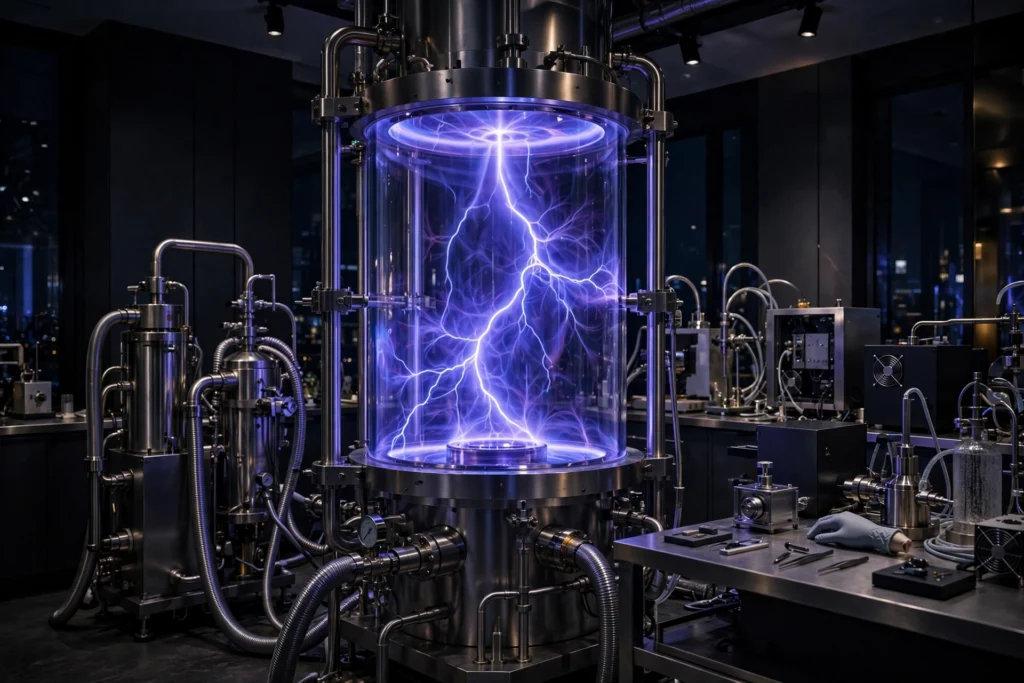
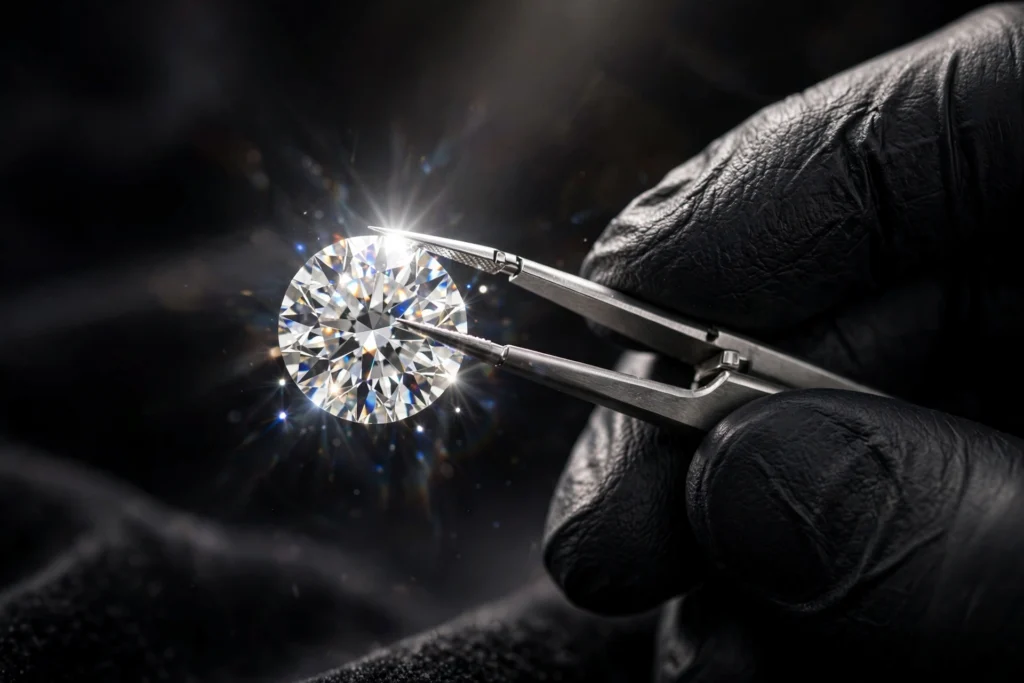
Sellers who push natural stones love this one, and it is completely wrong. Lab grown diamonds are real diamonds, full stop. Labs grow them from pure carbon using the same crystal structure that nature builds underground. GIA and IGI grade them with the same 4Cs scales, the FTC legally defines them as diamonds, and gemologists classify them as genuine. Calling a lab grown diamond fake is like calling ice from your freezer fake water.
Confusion comes from the word “synthetic,” which the industry once used. Synthetic sounds artificial, but in gemology it means lab created, not imitation. Cubic zirconia and moissanite are simulants, meaning different materials that imitate diamond’s look. Lab grown diamonds share diamond’s actual chemical identity. The distinction matters, and now you know it cold.
Verdict: False. Same carbon, same crystal, same diamond. The certificate proves it.

Myth 3: People Can Tell Lab Grown Diamonds Apart by Looking
Your friends cannot tell, your family cannot tell, and honestly you cannot tell either. No human eye distinguishes a lab grown diamond from a natural diamond of equal quality. Both throw the same fire, brilliance, and scintillation, and both score 10 on the Mohs scale. Jewelers need advanced lab equipment and the microscopic laser inscription to identify origin. The dinner party interrogation you fear simply never happens.
Why does this myth survive? Because it flatters natural diamond owners who paid five times more. Admitting the stones look identical threatens that investment psychologically, so the myth provides comfort. You should feel no such pressure. Wear your stone with total confidence, because confidence is the only thing anyone actually notices.
Verdict: False. Identical appearance, and only lab equipment tells them apart.
Myth 4: Lab Grown Diamonds Harm the Environment Just as Much as Mining
This myth twists a half truth into a whole lie. Yes, labs consume significant electricity, and a lab running on coal power leaves a real footprint. But lab grown production avoids mining’s worst impacts entirely: no displaced earth, no destroyed habitats, no water contamination, no unsafe labor conditions. Studies consistently show lab grown diamonds carry a smaller environmental footprint than mined ones, especially as labs shift toward renewable energy.
The myth serves mining interests beautifully. If both options harm the planet equally, why switch? But the comparison is not close. Digging massive open pits and processing tons of ore per carat cannot match growing a crystal in a controlled chamber. You should still ask sellers about their lab’s energy sources, because transparency matters. Just do not let anyone tell you the footprints are equal.
Verdict: Mostly false. Labs use energy, but mining’s total impact runs far larger.
Myth 5: Lab Grown Diamonds Do Not Last
Some sellers imply lab grown stones degrade, fade, or fall apart over time. This is pure fiction. A lab grown diamond lasts forever, exactly like a natural diamond, because it IS a diamond. Its 10/10 Mohs hardness resists scratching from every material except another diamond. Its crystal structure does not weaken, yellow, or deteriorate with age. Your great-grandchildren will inherit the same stone you bought, unchanged.
Where did this myth come from? Early simulants like cubic zirconia did scratch and cloud with wear, and sellers conflate those old fakes with modern lab grown diamonds. The confusion is either ignorant or deliberate, and neither deserves your trust. Ask any gemologist, check any grading report, and the science agrees: lab grown diamonds are forever, literally.
Verdict: False. Same hardness, same permanence, same forever.
Myth 6: Lab Grown Means Low Quality
This myth assumes that cheaper must mean worse, and diamond pricing demolishes that logic. Lab grown diamonds often achieve higher clarity grades than natural ones because labs control the growth environment precisely. Many lab grown stones earn VS or VVS clarity that would cost a fortune in natural diamonds. The lower price reflects cheaper production, not cheaper quality.
Think about what you actually pay for with natural diamonds. You pay for geological rarity, mining costs, and a century of marketing, not for superior beauty. A lab grown diamond with Excellent cut, G color, and VS2 clarity outshines a mediocre natural stone at triple the price. Quality lives in the 4Cs grades, not in the origin story. Read the certificate, not the myth.
Verdict: False. Lab grown quality frequently exceeds natural at the same price.

Myth 7: Lab Grown Diamonds Have Zero Resale Value
Here is the one myth with a grain of truth, so let us handle it honestly. Lab grown diamonds do resell, just poorly. Expect roughly 15% to 30% of your purchase price on the resale market, because falling production costs and growing supply keep pushing values down. “Zero” is wrong, but “low” is accurate, and you deserve that honesty.
But the full math changes the picture. You paid $1,500, not $8,000, so your absolute loss stays small even at a brutal percentage. Natural diamonds “hold value better” yet still lose thousands of dollars per stone on resale. Neither stone works as an investment, and smart buyers purchase for love rather than profit. FYI, the resale scare tactic works only if you planned to sell, and you should never buy a diamond you plan to sell.
Verdict: Partially true but misleading. Resale is low, not zero, and the total dollars at risk favor lab grown.
Why These Myths Persist
Myths survive because money keeps them alive. Natural diamond sellers earn far higher margins on mined stones, so fear of lab grown protects their profits directly. Every myth on this list pushes you toward the more expensive option, and that pattern is not a coincidence. Marketing budgets repeat these stories until they feel like common sense.
Social pressure helps too. Jewelry carries status signaling, and some buyers need their purchase to feel exclusive and rare. Myths about lab grown inferiority comfort those buyers and justify their spending. You do not need that comfort. You need facts, and now you have them.
My Honest Take
IMO, the myth machine will keep running as long as lab grown keeps winning, because winning threatens a lot of comfortable profits. Every myth above collapses under thirty seconds of scrutiny, yet sellers repeat them with straight faces daily. Your defense is simple: demand certificates, verify claims, and trust gemology over gossip. The science settled this debate years ago. The marketing just has not caught up yet.
The Bottom Line
Lab grown diamonds do not get cloudy, they are not fake, nobody can spot them by eye, they last forever, and their quality often beats natural stones at the same price. The environmental story favors lab grown, and the resale story, while honest about low returns, still favors buyers who risk fewer dollars. You now know the truth behind all seven myths. Buy with confidence, wear with pride, and let the myth spreaders keep their stories.
Frequently Asked Questions
Do lab grown diamonds get cloudy?
No. Lab grown diamonds never turn cloudy. Surface dirt, soap, and lotion can dull any diamond’s sparkle, but warm water and mild soap restore full brilliance in minutes.
Are lab grown diamonds real?
Yes. They are genuine diamonds made of pure crystallized carbon, graded by GIA and IGI on the same 4Cs scales as natural diamonds, and legally defined as real diamonds by the FTC.
Can jewelers tell lab grown diamonds apart from natural?
Only with advanced lab equipment. No one can distinguish them by eye. Labs inscribe most lab grown diamonds with a microscopic report number that identifies their origin.
Do lab grown diamonds last as long as natural diamonds?
Yes. Both are pure carbon crystals with 10/10 Mohs hardness. Lab grown diamonds resist scratching, never degrade, and last forever with normal care.
Why do people say lab grown diamonds are bad?
Most myths come from sellers who earn higher margins on natural diamonds. Fear of lab grown protects those profits, so marketing repeats scare stories that gemology disproves.
Do lab grown diamonds hold any resale value?
They resell for roughly 15% to 30% of purchase price, which is low but not zero. Since you pay far less upfront than for natural, your absolute dollar loss stays modest.
Sources
GIA explains lab grown diamond identification and grading: https://www.gia.edu/lab-grown-diamond. The FTC’s Jewelry Guides define lab grown diamonds as real diamonds: https://www.ftc.gov/legal-library/browse/rules/jewelry-precious-metals-pewter-jewelry-guides. IGI certifies lab grown diamonds worldwide: https://www.igi.org. Written by the I Love Jewelry Team. Last updated: October 2026.