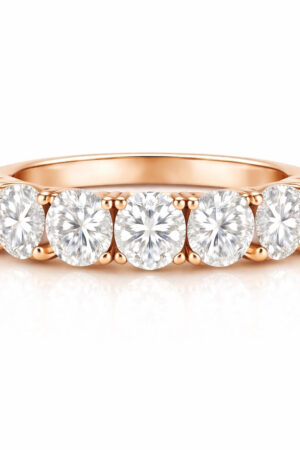
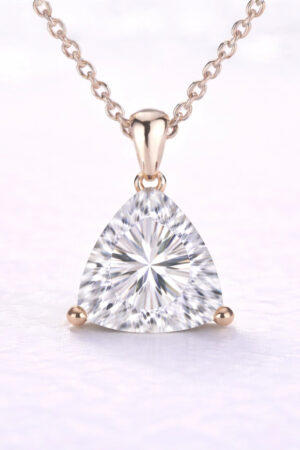
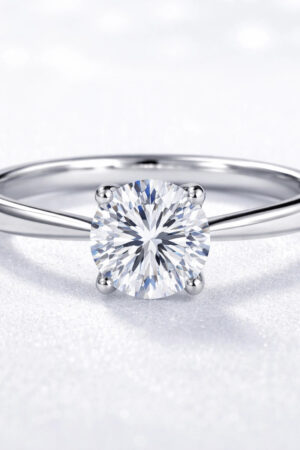
A pendant necklace is the hardest-working piece in your jewellery box. It dresses up a plain t-shirt, finishes an evening gown, and sits close to your face where everyone actually looks. Yet most buyers obsess over the diamond and completely ignore the chain, which is like choosing a sports car and forgetting the tires. This guide fixes that: pendant styles, chain lengths, chain types, real prices, and how to choose with confidence.
Short Answer: A 1.00 carat lab grown diamond solitaire pendant in 14k gold costs roughly $650 to $1,100, with 18 inches being the most popular chain length for pendants. Choose a solitaire or bezel style for everyday wear, pick G-H color and VS2-SI1 clarity for value, select a cable or box chain for durability, and match the length to your neckline (18″ for most necklines, 20-22″ for turtlenecks). Always buy certified stones.
Key Takeaways
- 18 inches is the safest pendant length. It sits on the collarbone and suits nearly every neckline.
- The pendant adds drop length. A 2-inch pendant on a 16-inch chain reads like an 18-inch necklace.
- Solitaire pendants are the most versatile, while halos maximize visible sparkle per dollar.
- Cable and box chains offer the best durability for daily wear; snake chains kink more easily.
- Lab grown pendants cost 60 to 75 percent less than natural equivalents with identical appearance.
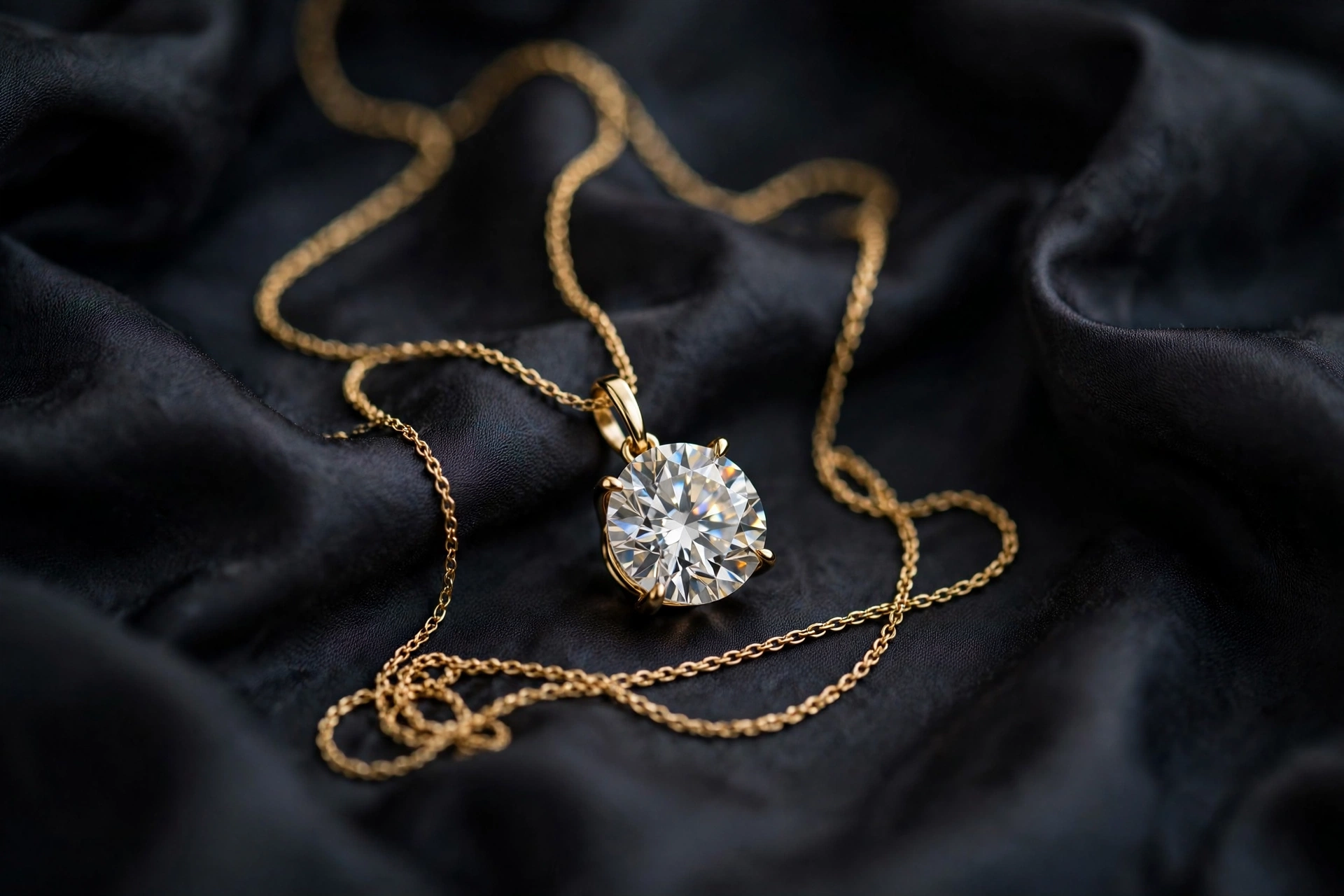
Why Pendants Win the Necklace Game
Rings get all the romantic attention, but necklaces get all the wear time. A pendant sits at the center of your chest, catches light with every movement, and frames your face in photos. People notice your necklace before they notice almost anything else you wear.
Lab grown diamonds make pendants more exciting than ever. A 1.00 carat solitaire pendant that once cost several thousand dollars now costs less than a nice weekend trip. That price drop changed the whole category: bigger stones, better quality, and zero guilt about daily wear. Your turn to benefit.
Pendant Styles, Explained
Solitaire: The Undisputed Classic
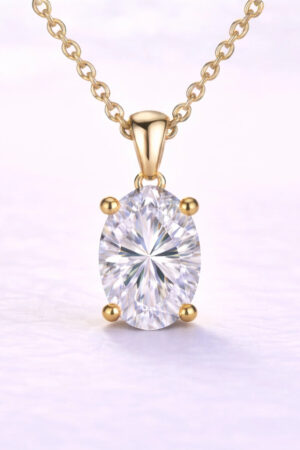
One diamond, one setting, zero distractions. The solitaire pendant is the white shirt of necklaces: it works with literally everything. A round brilliant in a four-prong setting maximizes light return and suits every age and style. If you buy only one pendant in your life, make it this one.
Choose solitaire when you want maximum versatility, easy layering, and a piece that never looks dated.
Halo: Maximum Sparkle Per Dollar
A halo surrounds the center diamond with a ring of smaller diamonds, making the whole piece read one to two sizes larger. It delivers serious visual impact for less money than a bigger center stone. Halos also add wonderful sparkle under evening lighting.
Choose halo when you want drama on a budget, or when a smaller center stone needs extra presence.
Bezel: The Modern Minimalist
A bezel wraps the diamond in a smooth rim of metal instead of prongs. It looks sleek, contemporary, and incredibly clean. The metal rim also protects the stone’s edges better than any prong setting, which makes bezels ideal for active lifestyles.
Choose bezel when you want modern style, maximum security, and a pendant you never have to baby.
Three-Stone, Bar, and Cluster Styles
Three-stone pendants line up graduated diamonds for elegant movement. Bar pendants set small diamonds in a horizontal line for a refined, linear look. Clusters group smaller stones into one larger-looking shape, often a flower or cushion outline. These styles add personality when solitaires feel too plain.
Choose these when you already own a solitaire, or when your style leans fashion-forward rather than classic.
Chain Length Guide: Where Each Length Lands
Length decides where the pendant sits, and placement changes everything. Here is the standard chart.
| Length | Name | Where It Sits |
|---|---|---|
| 16″ | Collar/Choker | Base of the neck, snug |
| 18″ | Princess | On the collarbone, the classic pendant length |
| 20″ | Matinee | Just below the collarbone |
| 22″ | Matinee long | Top of the bust |
| 24″ | Opera short | Center of the bust |
The drop rule matters enormously. The pendant and its bail add length below the chain. A 16-inch chain carrying a 2-inch pendant reads visually like an 18-inch necklace. Always measure to the bottom of the stone, not the end of the chain.
How do you pick? 18 inches suits most women and most necklines, which is why it is the default. Choose 16 inches for open necklines and petite frames where you want the pendant higher. Choose 20 to 22 inches for turtlenecks, high necklines, and layering. Taller buyers and broader frames should add an inch or two to land the same visual placement.
Match length to neckline for the best effect: V-necks love 16 to 20 inch pendants that follow the V, crew necks pair with 16 inch collars, strapless tops suit 16 to 18 inches, and turtlenecks need 20 to 24 inches to clear the fabric. Ever wondered why a pendant looks perfect in the box and wrong on you? Nine times out of ten, the chain length fought the neckline.

Chain Types Compared: Durability Matters
Not all chains are equal. Some survive daily wear for decades. Others kink if you look at them wrong.
| Chain Type | Look | Durability | Best For |
|---|---|---|---|
| Cable | Classic oval links | Excellent | Everyday pendants, best all-rounder |
| Box | Square, geometric links | Excellent | Modern style, very tangle-resistant |
| Curb | Flattened interlocking links | Very good | Slightly bolder look, sturdy |
| Rope | Twisted, textured strands | Good | Sparkle and texture, hides wear well |
| Figaro | Patterned long and short links | Good | Fashion-forward, Italian style |
| Wheat | Braided, flexible links | Very good | Elegant drape, smooth feel |
| Snake | Smooth, fluid scales | Fair | Sleek minimalism, but kinks easily |
For daily-wear pendants, choose cable or box chains. They resist tangling, handle the pendant’s weight without stretching, and repair easily if a link ever fails. Rope chains look gorgeous but can trap the pendant bail awkwardly. Snake chains feel luxurious and slide beautifully, but one bad kink can ruin them permanently, so reserve them for occasional wear.
Chain thickness matters too. A delicate 1mm chain suits pendants under 1 carat beautifully. Heavier pendants need 1.5mm and up, or the chain will stretch and eventually snap. Match the chain’s strength to the pendant’s weight, not just its looks.

How Much Do Lab Grown Diamond Pendants Cost?
Prices below reflect US online retail listings for 14k gold solitaire pendants with G-H color and VS2-SI1 clarity, checked October 2026. Prices vary by seller, exact grades, chain type, and length.
| Diamond Size | Typical Price Range (14k Gold, 18″ Chain) |
|---|---|
| 0.50 ct solitaire | $350 to $600 |
| 1.00 ct solitaire | $650 to $1,100 |
| 1.50 ct solitaire | $900 to $1,600 |
| 2.00 ct solitaire | $1,200 to $2,200 |
| 1.00 ct halo | $800 to $1,400 |
Longer or thicker chains add $50 to $150. Platinum settings add $200 to $400. Halo styles cost more than solitaires at the same center weight because of the extra diamonds and labor.
Natural diamond equivalents run roughly 2.5 to 4 times these prices. That gap is the entire reason lab grown pendants have exploded in popularity: a 1.00 carat pendant went from “major purchase” to “thoughtful gift” almost overnight.
Choosing the Diamond: The 4Cs for Pendants
Pendants sit farther from critical eyes than rings do, which changes the value equation in your favor.
Cut first, always. Excellent cut gives you maximum brilliance and fire. A pendant moves constantly, so light performance matters even more than in a ring. Never compromise on cut.
Color: G-H is the sweet spot. Pendants hang against skin and clothing, not white paper. Near-colorless grades look perfectly white in real life. Larger stones (1.50 ct and up) show tint more, so consider F-G there.
Clarity: VS2 to SI1 is plenty. Inclusions invisible to the naked eye are invisible, period. Nobody examines your pendant with a loupe. Spend the clarity savings on a larger stone or a better chain.
Carat: buy the presence you want. 0.50 to 1.00 carat suits everyday elegance. 1.00 to 2.00 carats makes a confident statement. Above that, you are buying drama, and there is nothing wrong with drama.
Metal, Clasps, and Practical Details
14k gold handles daily wear beautifully and keeps prices reasonable. 18k gold feels richer and suits sensitive skin, but scratches more easily. Platinum offers maximum durability and a naturally white finish that never needs replating, at a real premium.
Check the clasp before you buy. Lobster clasps are the most secure common option and worth seeking out. Spring ring clasps are smaller and cheaper but fiddlier and less secure. For a pendant you wear daily, the clasp is not the place to economize.
Adjustable chains (with jump rings at 16″ and 18″, for example) are brilliant. They let you change the pendant’s placement for different necklines without buying two chains. If you layer necklaces, adjustability is practically mandatory.
Layering Like a Pro
Layered necklaces look effortlessly chic and photograph beautifully. The rules are simple.
- Space lengths at least 2 inches apart so each piece owns its zone: 16″, 18″, and 20-22″ is the classic trio.
- Vary the chain styles so layers do not blend into one visual blob.
- Keep the heaviest pendant at the bottom and limit yourself to one large pendant per stack.
- Put the solitaire in the middle or bottom layer, never competing with another statement piece.
IMO, three delicate layers beat one chunky necklace every time. The eye reads depth and intention instead of just weight.
6 Mistakes Pendant Buyers Make
- Ignoring chain quality. A gorgeous diamond on a flimsy chain is a loss waiting to happen. Budget for the chain, not just the stone.
- Choosing the wrong length for their necklines. Measure against the tops you actually wear, not an imaginary wardrobe.
- Forgetting the drop rule. The pendant hangs below the chain length, so a 16″ chain is not a 16″ look.
- Overpaying for clarity. VVS grades in a pendant buy nothing your eyes can see.
- Buying uncertified stones. Always demand IGI or GIA grading for the center diamond.
- Skipping the clasp check. A weak clasp on a daily-wear pendant is the most common (and most preventable) loss story in jewellery.
Caring for Your Pendant
Pendants collect lotion, perfume, and sunscreen because they rest against skin all day. Clean yours every two to four weeks with warm water, mild dish soap, and a soft toothbrush, then dry with a lint-free cloth. Check prongs or bezel edges monthly for looseness. Store the necklace flat or hanging, never tossed in a pile where the chain can kink. Our full cleaning and care guide covers the complete routine.
My Honest Take
FYI, the pendant is the piece I recommend when someone says “I want one nice thing.” Not ten trendy things. One nice thing. A solitaire pendant does more work per dollar than anything else in jewellery: it goes everywhere, matches everything, and never looks like it is trying too hard.
Buy the best chain you can justify, get the length right for your actual necklines, and let the diamond do what diamonds do. Ten years from now you will still be wearing it, and you will wonder why you ever stressed about the decision.
The Bottom Line
Lab grown diamond pendants offer extraordinary value: a 1.00 carat solitaire in 14k gold runs about $650 to $1,100, far below natural equivalents. Choose 18 inches for the most versatile length, pick cable or box chains for durability, prioritize excellent cut with G-H color and VS2-SI1 clarity, and secure it all with a lobster clasp. Buy certified, match the length to your necklines, and wear it everywhere.
Frequently Asked Questions
What is the best chain length for a pendant?
18 inches suits most women and most necklines, sitting on the collarbone. Choose 16 inches for open necklines and petite frames, or 20 to 22 inches for turtlenecks and layering. Remember the pendant adds drop below the chain length.
What chain type is strongest for a diamond pendant?
Cable and box chains offer the best durability for daily wear. They resist tangling and stretching and repair easily. Match chain thickness to pendant weight: 1mm for smaller stones, 1.5mm and up for heavier pendants.
How much should I spend on a lab grown diamond pendant?
A 1.00 carat solitaire pendant in 14k gold typically costs $650 to $1,100. Budget $350 to $600 for 0.50 carat and $1,200 to $2,200 for 2.00 carats. Halo styles and platinum settings cost more.
Are lab grown diamond pendants good for everyday wear?
Yes, they are ideal for daily wear. Lab grown diamonds have the same 10/10 Mohs hardness as natural diamonds. Choose a secure setting (bezel or prongs), a durable chain, and a lobster clasp for worry-free everyday use.
Should the pendant match my other jewellery?
It does not need to match exactly, but coordinating metals creates a polished look. A white gold pendant pairs naturally with white gold studs and rings. Mixed metals can work intentionally, but keep one metal dominant.
Can I layer a solitaire pendant with other necklaces?
Absolutely. Space lengths at least 2 inches apart (16″, 18″, 20-22″), vary chain styles, keep the heaviest pendant lowest, and use only one large pendant per stack. Adjustable chains make layering much easier.
Sources
GIA publishes diamond grading standards and jewellery guidance: https://www.gia.edu. IGI grades lab grown diamonds and certifies finished jewellery: https://www.igi.org. The FTC’s Jewelry Guides govern how sellers describe diamond jewellery: https://www.ftc.gov/legal-library/browse/rules/jewelry-precious-metals-pewter-jewelry-guides. Written by the I Love Jewelry Team. Last updated: October 2026.