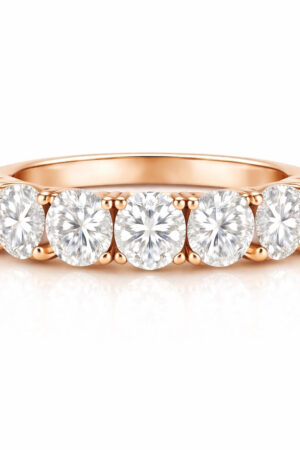
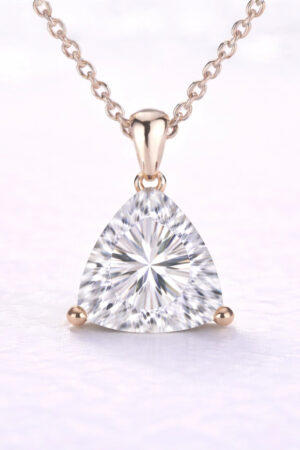
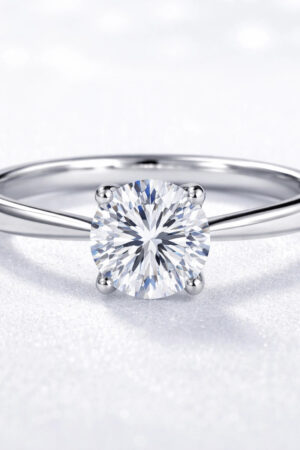
You just spent $1,500 on a gorgeous lab grown diamond, and a little voice whispers, “What if I need to sell it someday?” Sellers love talking about sparkle and savings, but they go quiet when you ask about resale. This guide gives you the honest numbers nobody puts in the brochure, and you will know exactly what your stone is worth the day after you buy it.
Short Answer: No, lab grown diamonds do not hold their value well. You can expect to recover roughly 15% to 30% of what you paid if you resell a loose stone, and even less for mounted jewelry. Natural diamonds hold value better, but they still lose money on resale. Buy any diamond for love, not as an investment.
Key Takeaways
- Lab grown diamonds lose significant value on resale, often recovering only 15% to 30% of the purchase price.
- Falling production costs drive prices down, and growing supply keeps pressure on both new and resale prices.
- Natural diamonds hold value better but still typically resell below their retail purchase price.
- Buyback and upgrade programs from some retailers beat open-market resale — check the policy before you buy.
- Keep your certificate and paperwork, because documented stones sell faster and for more.

Do Lab Grown Diamonds Hold Their Value?
Let us answer this straight: no, they do not hold value well. You buy a $1,500 lab grown diamond today, and a reseller might offer you $250 to $450 for it tomorrow. That stings, and pretending otherwise would make this guide useless. The resale market treats lab grown diamonds as a manufactured product with falling costs, not as a scarce treasure.
Does that make lab grown a bad buy? Not at all — it makes it an honest buy once you understand the deal. You paid $1,500 instead of $8,000 for the same look, so your total dollars at risk were always smaller. The percentage loss looks brutal, but the absolute loss stays modest. Keep that math in mind before the numbers scare you off.
Why Lab Grown Diamonds Lose Value
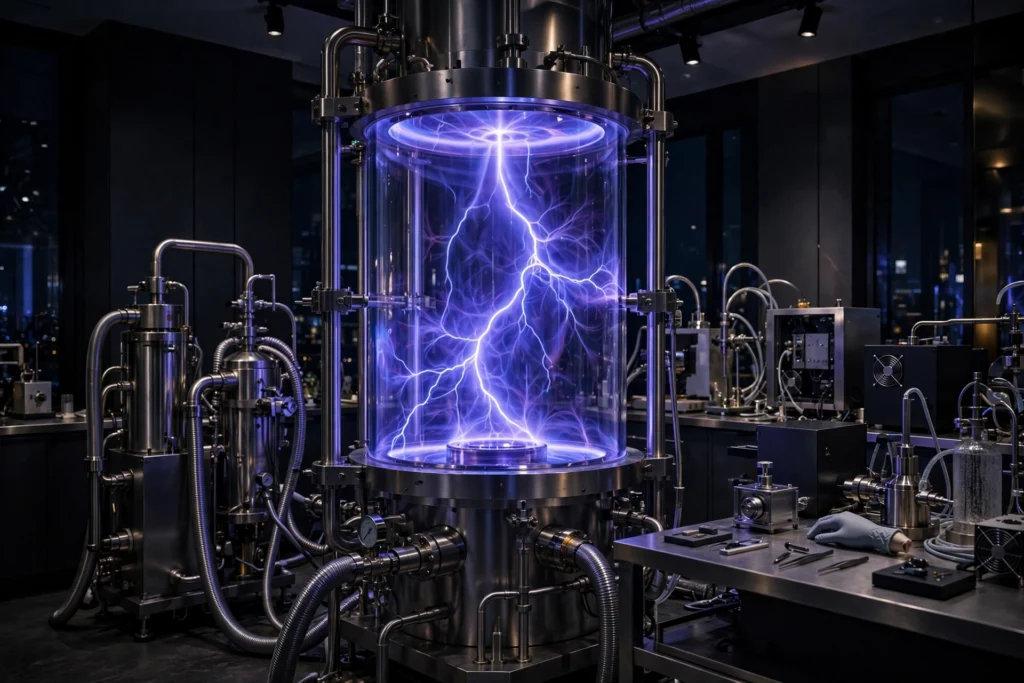
Three forces push resale prices down, and all three keep working year after year. First, production costs keep falling. Labs grow diamonds more efficiently every year, and cheaper production means cheaper new stones — which drags resale prices down with them. You cannot resell a used stone for more than a brand-new equivalent costs.
Second, supply keeps growing. New labs open, existing labs expand, and the market fills with stones. Natural diamonds benefit from controlled supply and geological scarcity, while lab grown diamonds face the economics of any manufactured good: more supply, lower prices. Basic economics does not care about your feelings.
Third, buyers discount “used” lab grown heavily. A pre-owned lab grown diamond carries no romance and no scarcity story, so buyers ask a simple question: why should I pay near-new prices for your stone when a new one costs little more? That logic crushes resale offers. You face the same dynamic with cars, phones, and furniture — manufactured goods depreciate, and diamonds grown in labs follow the same rule.
Lab Grown vs Natural: Resale Compared
Natural diamonds hold value better, and you deserve the full picture. A $8,000 natural diamond might resell for $3,000 to $4,000 — a painful loss, but a smaller percentage loss than lab grown suffers. Natural stones benefit from perceived scarcity, established wholesale markets, and a century of marketing that says diamonds equal lasting value.
But notice what the table below really shows: everyone loses money reselling diamonds. The jewelry industry marks up retail prices far above wholesale, and that markup evaporates the moment you try to sell. Natural buyers lose thousands of dollars in absolute terms. Lab grown buyers lose a bigger percentage of a much smaller number. Which loss hurts more? Do the math for your own budget, because the answer surprises most people.
| Resale Factor | Lab Grown Diamond | Natural Diamond |
|---|---|---|
| Typical resale recovery | 15% to 30% of purchase price | 30% to 50% of retail price |
| $1,500 stone resells for | $225 to $450 | N/A (no $1,500 equivalent) |
| $8,000 stone resells for | N/A | $2,400 to $4,000 |
| Price trend | Falling as production grows | Relatively stable |
| Wholesale market | Thin and inconsistent | Established and liquid |
Resale estimates reflect industry reporting and dealer quotes, checked October 2026. Actual offers vary widely by stone specs, certification, channel, and market conditions.
What About Buyback Programs?
Some retailers offer buyback or upgrade programs, and these programs often beat anything the open market gives you. A buyback program promises to repurchase your stone later, usually as store credit at a set percentage. An upgrade program lets you trade your stone toward a larger one, and jewelers love these because they keep you as a customer.
Here is the catch: terms vary wildly, and you must read them before you buy. Some programs cover only natural diamonds. Some offer 70% to 100% credit but only toward an upgrade costing twice as much. Some quietly exclude lab grown stones altogether. You should ask three questions before trusting any program: does it cover lab grown, does it pay cash or only store credit, and does it expire? Get the answers in writing, because verbal promises evaporate when you return with a stone to sell.
Do buyback programs make lab grown a smart investment? No — they make it a slightly less painful expense. A program that returns 50% as store credit still costs you half your money, and it locks that credit to one retailer. Treat buyback as a nice safety net, not as a reason to overspend.

Where Can You Resell a Lab Grown Diamond?
You have four main channels, and each one trades speed against price. Local jewelers buy stones outright or take them on consignment, and they pay wholesale prices — fast but low. You walk in with a stone and walk out with cash, and you accept the discount for that convenience.
Online marketplaces connect you directly with buyers, and you keep more of the sale price. You handle photos, listings, questions, and shipping insurance yourself, and sales can take weeks. Consignment shops display your jewelry and take a 20% to 40% commission when it sells, which suits patient sellers with attractive pieces. Auction houses work for exceptional stones, but fees and timelines make them impractical for typical lab grown pieces.
Which channel pays most? Private buyers on marketplaces usually pay the most, and local jewelers pay the least — but jewelers pay today. You choose based on how fast you need the money and how much hassle you tolerate.
How to Protect Your Money
You cannot beat depreciation, but you can shrink your losses with smart moves. Follow this checklist before and after your purchase. If you are shopping for lab grown diamond engagement rings, these habits matter even more, since the setting adds cost that resale will never recover.
- Keep the GIA or IGI certificate. Documented stones sell faster and fetch better offers than undocumented ones. Store the report number and a copy of the paperwork somewhere safe.
- Keep the original receipt and appraisal. Buyers trust documented purchase history, and appraisals help with insurance even when they overstate resale value.
- Buy from retailers with upgrade programs. A lifetime upgrade policy beats any resale channel, so factor the policy into your purchase decision.
- Do not overpay for brand premiums. A designer label adds hundreds to the purchase price and zero to the resale price. You pay for the name once and lose it forever.
- Choose classic shapes and popular sizes. Round brilliants between 1 and 2 carats resell easiest, while unusual fancy shapes narrow your buyer pool.
- Maintain the jewelry. Clean stones photograph better, tight prongs reassure buyers, and good condition always commands better offers.

Should Resale Value Drive Your Decision?
Honestly? No. You buy a diamond to wear and enjoy, not to flip like a stock. IMO, buyers who obsess over resale end up paralyzed, and paralysis costs more joy than any depreciation ever costs money. You will wear this stone for years, and its daily beauty repays you far more than a resale check ever could.
Think about it this way: you spend $1,500 on a vacation without expecting a refund, and nobody calls that a bad investment. A diamond you wear every day for a decade costs you pennies per wear, even if you eventually sell it for $300. The resale question matters only if you plan to sell soon — and if you plan to sell soon, you should not buy the diamond at all.
My Honest Take
FYI, the jewelry industry hates this conversation, because “diamonds hold their value” has sold a lot of overpriced stones over the decades. The truth sets you free here: lab grown diamonds depreciate like the manufactured products they are, and knowing that upfront makes you a smarter buyer, not a sadder one. You buy lab grown because you want maximum beauty for minimum money, and you accept the resale reality as the price of that deal. That tradeoff favors you heavily — you risk $1,500, not $8,000, and you enjoy the same sparkle every single day.
The Bottom Line
Lab grown diamonds do not hold their value — expect 15% to 30% back on resale, and less for mounted jewelry. Natural diamonds do better but still lose money, and no diamond works as an investment. You protect yourself by keeping certificates, buying from retailers with upgrade programs, and refusing to overpay for brand names. Buy the stone you love, wear it proudly, and let your investment account handle the growing.
Frequently Asked Questions
Do lab grown diamonds hold their value?
No, not well. Loose lab grown stones typically resell for 15% to 30% of their purchase price. Falling production costs and growing supply keep pushing resale values down.
Can I sell my lab grown diamond back to the jeweler?
Sometimes. Some retailers offer buyback or upgrade programs, but terms vary — many pay only store credit, and some exclude lab grown stones. Ask about the policy and get it in writing before you buy.
Is it better to buy natural diamond for resale value?
Natural diamonds hold resale value better than lab grown, recovering roughly 30% to 50% of retail price. However, you pay far more upfront, so your absolute dollar loss is usually larger.
Where is the best place to sell a lab grown diamond?
Private buyers on online marketplaces typically pay the most, while local jewelers pay the least but fastest. Consignment shops suit patient sellers. Compare offers across channels before deciding.
Does certification help resale value?
Yes. GIA or IGI certified stones with matching laser inscriptions sell faster and fetch better offers than undocumented stones. Always keep your certificate and receipt.
Will lab grown diamond prices keep falling?
Analysts expect prices to keep declining gradually as production becomes more efficient. This trend hurts resale values further, which is another reason to buy for love rather than investment.
Sources
GIA publishes research on lab grown diamond grading and market factors: https://www.gia.edu/lab-grown-diamond. The FTC’s Jewelry Guides govern how sellers advertise diamonds: https://www.ftc.gov/legal-library/browse/rules/jewelry-precious-metals-pewter-jewelry-guides. IGI certifies lab grown diamonds worldwide: https://www.igi.org. Written by the I Love Jewelry Team. Last updated: October 2026.