You picked lab grown diamond engagement rings, you set your budget, and now the jeweler asks, “Which shape?” — and your brain freezes. Round, oval, cushion… they all sparkle, they all look amazing, and the wrong choice haunts you every time she looks at her hand. Relax. This guide breaks down the three most-loved shapes honestly, and you will pick yours with total confidence.
Short Answer: Pick round brilliant for maximum sparkle and timeless appeal, oval for the biggest face-up look per carat and an elegant elongated style, or cushion for vintage romance and soft, pillowy charm. Round costs the most per carat, oval and cushion cost less and look larger. Your finger shape and personal style should make the final call.
Key Takeaways
- Round brilliant delivers the most sparkle and remains the most popular and most expensive shape.
- Oval looks 10% to 15% larger face-up than a round of the same carat weight, and it flatters shorter fingers.
- Cushion offers vintage charm with soft sparkle, and it hides inclusions better than most shapes.
- Round costs the most per carat; oval and cushion typically cost less for the same weight and quality.
- Watch for the bow-tie effect in ovals, and choose between “crushed ice” and “chunky” facet patterns in cushions.
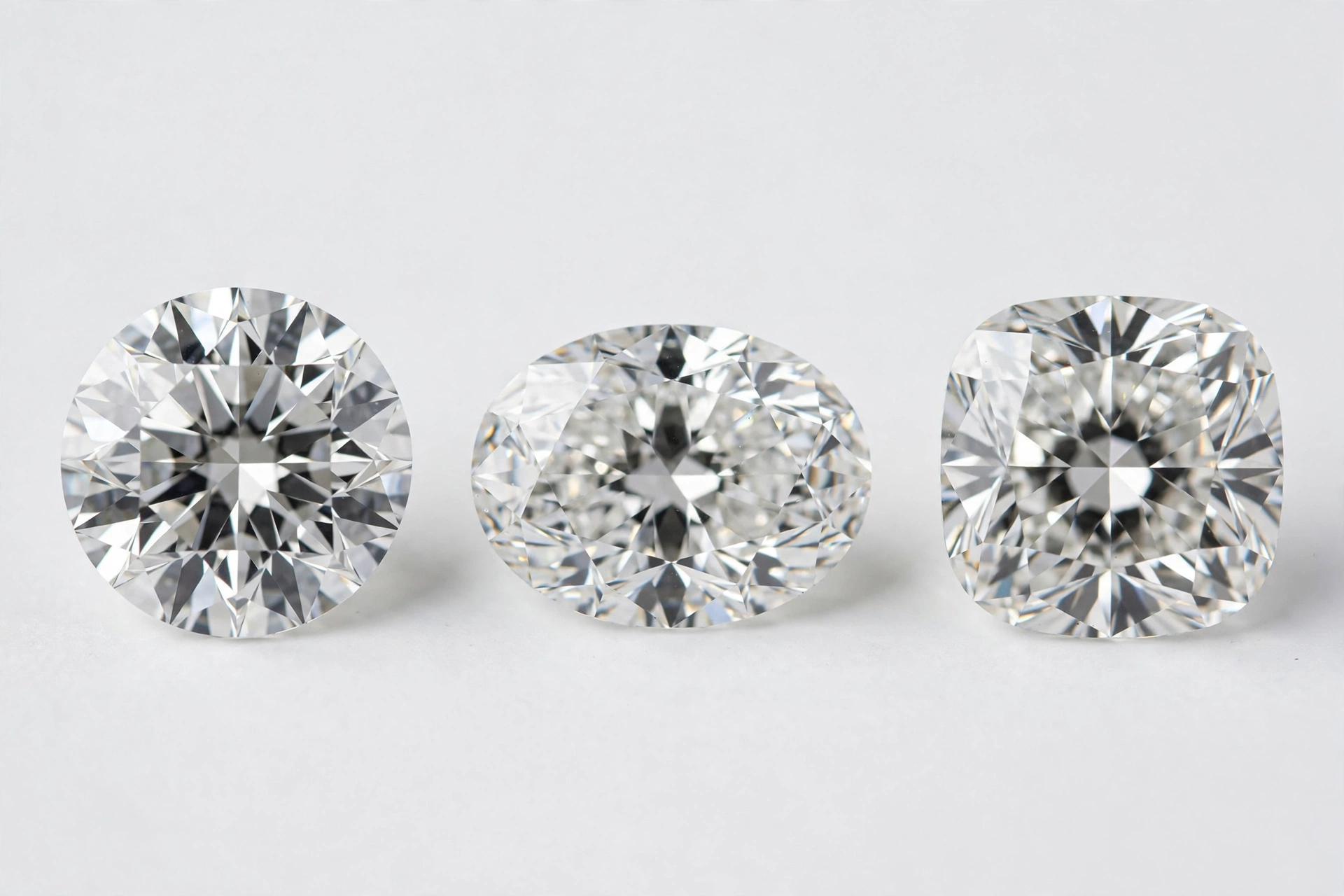
Round Brilliant: The Classic Sparkle King
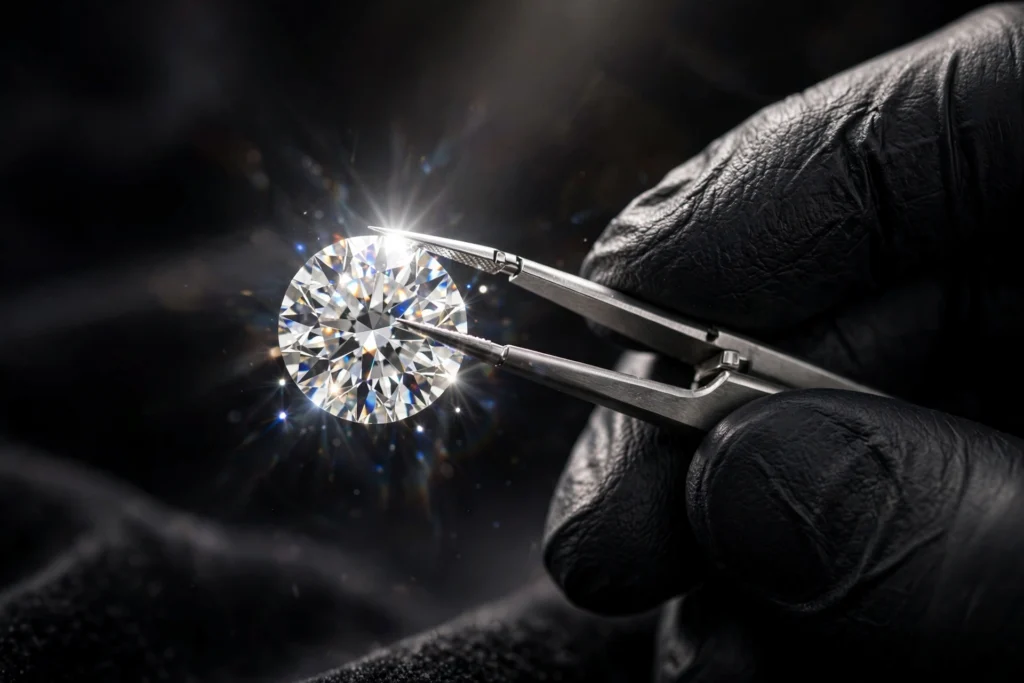
Cutters designed the round brilliant for one job: maximum light return. Its 58 precisely angled facets bounce light like a hall of mirrors, and no other shape matches its fire and brilliance. You want the brightest stone in the room? Round wins, every single time. That engineering excellence explains both its popularity and its price premium.
Round also forgives the most flaws. Its intense sparkle hides small inclusions and slight color tints better than step-cut shapes, so you can drop to VS2-SI1 clarity and G-J color without anyone noticing. You get more visual perfection per dollar on the lower grades, which softens the price premium a bit. Ever wondered why most engagement rings use round stones? Now you know — cutters perfected this shape over a century, and buyers keep voting with their wallets.
The downside? You pay for that perfection. Round commands the highest price per carat of any shape, and it faces up smaller than elongated shapes of equal weight. You trade size illusion and savings for unbeatable sparkle and timelessness.
Oval: The Elegant Size Illusion
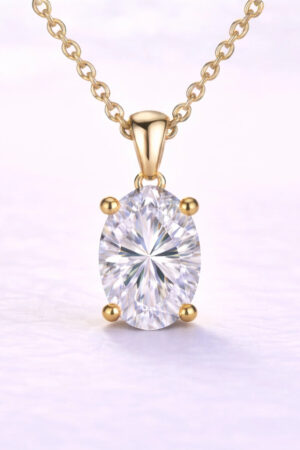
Oval takes the round brilliant’s faceting and stretches it into an elegant elongated shape. That stretch works magic: an oval looks noticeably larger face-up than a round of the same carat weight, so your 1-carat oval covers more finger real estate. You also pay less per carat than round, which means you get more visual size for less money — the rare win-win of the diamond world.
Oval flatters fingers beautifully, and this matters more than most guides admit. The elongated shape makes fingers look longer and slimmer, which suits shorter or wider fingers especially well. You get a modern, sophisticated look that photographs gorgeously and stands out from the sea of round solitaires.
But oval demands careful shopping because of the bow-tie effect. Many ovals show a dark bow-tie-shaped shadow across the center where facets misalign with light. You should always view oval stones in video or person and reject ones with a harsh, obvious bow-tie. A faint bow-tie is normal and acceptable; a black bar across the middle is not.

Cushion: The Vintage Romantic
Cushion cuts blend vintage charm with modern sparkle, and their soft pillow shape feels romantic and distinctive. Cutters shape cushions with larger facets that produce broad, dreamy flashes rather than round’s pinpoint sparkle. You love antique aesthetics? Cushion delivers old-world elegance without looking dated.
Cushion hides inclusions remarkably well, so you can save money on clarity grades just like with round. The shape comes in two personalities: “chunky” cushions with large, distinct facets that flash boldly, and “crushed ice” cushions with many small facets that glitter like shattered glass. Neither is better — your eye decides. You should compare both styles side by side, because buyers feel strongly once they see the difference.
The tradeoff: cushion faces up smaller than oval at the same carat weight, and deep cushions can look surprisingly small for their weight. You should check the stone’s millimeter dimensions, not just its carat weight, and favor well-proportioned stones over deep ones.
Oval vs Round vs Cushion: Head to Head
| Feature | Round Brilliant | Oval | Cushion |
|---|---|---|---|
| Sparkle level | Highest | High | Medium-high, softer |
| Face-up size (1 carat) | Baseline | Looks ~10-15% larger | Similar to round or slightly smaller |
| Price per carat | Highest | Lower than round | Lower than round |
| Finger effect | Classic, suits all | Elongates, slims fingers | Soft, romantic presence |
| Hides inclusions? | Very well | Well | Very well |
| Watch out for | Price premium | Bow-tie shadow | Deep stones look small |
Which Shape Looks Biggest?
Size illusion decides many purchases, so let us rank honestly. Oval wins the size contest — its elongated outline spreads carat weight across a larger visible area, and a 1-carat oval genuinely covers more finger than a 1-carat round. Cushion and round tie for second, though a well-cut round’s superior sparkle can make it feel bigger through sheer presence.
But raw dimensions tell only part of the story. A deep, poorly proportioned stone of any shape hides weight in its belly where nobody sees it. You should always check length-by-width millimeter measurements alongside carat weight. A 1-carat oval measuring 8×5.5mm beats a 1-carat oval measuring 7.5×5mm, and the certificate lists both numbers.
Which Shape Costs the Most?
Round costs the most per carat, and the premium is real. Cutters waste more rough shaping rounds, demand runs highest, and the market prices accordingly. Oval and cushion typically cost 10% to 25% less per carat than comparable rounds, which means your budget buys more size or better quality in those shapes.
Price comparisons based on US online retail listings for GIA/IGI certified lab grown diamonds, checked October 2026. Actual prices vary by seller, cut quality, and specs.
Does cheaper mean worse? Absolutely not. The discount reflects cutting economics and demand, not beauty. An excellent-cut oval outshines a mediocre round, and a gorgeous cushion beats both on character. You buy the best-cut stone in your chosen shape, and you never apologize for skipping the round premium.
Choosing by Finger and Lifestyle
Your hand should vote in this election. Shorter fingers love oval’s elongating effect, which creates the illusion of length. Wider fingers also suit oval and elongated cushions, which slim the finger’s appearance. Long, slender fingers carry any shape beautifully, so you choose purely on style.
Lifestyle matters too. Round’s compact shape snags less and suits active hands. Oval’s pointed ends need protective settings — a bezel or halo guards those vulnerable tips. Cushion’s soft corners resist chipping better than oval’s points but still appreciate a sturdy setting. You match the shape to her daily life, not just to a Pinterest board.
Settings That Flatter Each Shape
The right setting amplifies your shape’s strengths. Round shines in solitaires, halos, and pavé settings — basically everything, because round is the universal donor of the diamond world. Oval looks stunning in halos, which emphasize its elegant outline, and in east-west settings for a modern twist. Cushion pairs beautifully with halos and vintage-inspired milgrain settings that echo its romantic character.
One practical tip: oval’s pointed ends deserve V-prongs or a protective halo, while cushion and round sit securely in standard prongs. You protect the stone’s vulnerable points, and the ring survives decades of daily wear.

My Honest Take
IMO, buyers overthink this choice because all three shapes are genuinely beautiful — you cannot pick wrong, only pick less-you. FYI, I have watched the oval trend explode for good reason: it delivers the best combination of size illusion, savings, and modern elegance in 2027. But round remains undefeated for buyers who want maximum sparkle and zero regrets, and cushion wins every heart that leans vintage. Close your eyes, picture her hand, and trust the first shape that appears. That instinct is usually right.
The Bottom Line
Round brilliant gives you maximum sparkle and timeless appeal at the highest price. Oval gives you the biggest face-up look and finger-flattering elegance for less money — just watch for the bow-tie. Cushion gives you vintage romance and excellent value with soft, dreamy flashes. Match the shape to her finger, her style, and your budget, and you will choose a stone she loves every single day.
Frequently Asked Questions
Which is bigger, 1 carat oval or 1 carat round?
The oval looks bigger. Its elongated shape spreads the same carat weight over a larger face-up area, appearing roughly 10% to 15% larger than a round of equal weight.
Is oval cheaper than round?
Yes. Oval typically costs 10% to 25% less per carat than a comparable round brilliant, because cutters waste less rough and demand runs lower. You get more size for less money.
What is the bow-tie effect in oval diamonds?
The bow-tie is a dark shadow across the center of an oval caused by facet misalignment with light. A faint bow-tie is normal, but you should reject stones with a harsh, obvious dark bar.
What is the difference between crushed ice and chunky cushion?
Chunky cushions have large, distinct facets that produce bold flashes, while crushed ice cushions have many small facets that create a glittery, shattered-glass effect. Neither is better — personal taste decides.
Which shape is best for short fingers?
Oval suits short fingers best because its elongated shape creates the illusion of longer, slimmer fingers. Elongated cushions offer a similar effect with a softer outline.
Do oval diamonds sparkle as much as round?
Ovals sparkle beautifully but cannot match the round brilliant’s light return — cutters optimized the round shape for maximum brilliance over a century. Oval trades a little sparkle for bigger face-up size and lower cost.
Sources
GIA explains diamond cut quality and how it affects brilliance: https://www.gia.edu/diamond-cut. IGI grades lab grown diamonds across all shapes: https://www.igi.org. The FTC’s Jewelry Guides govern diamond advertising: https://www.ftc.gov/legal-library/browse/rules/jewelry-precious-metals-pewter-jewelry-guides. Written by the I Love Jewelry Team. Last updated: October 2026.